Planning a garden is not a single decision. It is a sequence of thoughtful steps that shape how an outdoor space will look, feel, and function over time. Many homeowners start with ideas but feel unsure how to turn them into a clear plan.
If you are asking, how do you plan garden design in West Sussex, the answer lies in understanding both the process and the local environment. Garden design in this area must respond to soil conditions, weather patterns, and property styles that are common across the county.
This guide explains garden planning from start to finish. It focuses on education and clarity, helping homeowners understand what happens at each stage and why those steps matter.
Understanding Garden Design in West Sussex
Garden design West Sussex projects are shaped by local conditions. These include soil type, drainage, wind exposure, and the relationship between gardens and neighbouring properties.
West Sussex includes coastal areas, towns, and rural settings. Each location presents different challenges and opportunities for gardening design and landscaping architecture.
Climate and soil conditions
The climate is generally mild, but ground conditions vary. Clay soil is common and can affect drainage, lawn health, and planting success.
Good garden planning in the UK always considers how water moves through the garden. Poor drainage can undermine even well-designed landscapes.
Value of local experience
Local garden designers understand typical plot sizes, common issues with boundaries, and materials that perform well in the area.
Working with landscapers in West Sussex helps ensure the design is practical, durable, and suited to the local setting.
Step 1: Define the Purpose of the Garden
Every successful garden begins with a clear purpose. Without this, design decisions become inconsistent.
Questions to clarify early
Homeowners benefit from asking:
- How will the garden be used day to day?
- Will it be mainly for relaxing, entertaining, or family use?
- How much time can be spent on maintenance?
- Is privacy a priority?
- Will the garden change as needs change?
Clear answers create direction for the entire project.
Aligning design with lifestyle
Gardening design ideas should reflect real use. A visually complex garden may not suit households with limited time for upkeep.
Simple, well-structured gardens often provide better long-term satisfaction, particularly when features such as fencing services are incorporated early, ensuring privacy, clear boundaries, and easy maintenance.
Step 2: Assess the Existing Garden Space
Before creating a design, the existing garden must be carefully assessed.
Measuring and layout assessment
Accurate measurements are essential. This includes noting boundaries, slopes, access points, and existing structures such as sheds or fences.
This stage often reveals where landscape construction can improve movement and usability.
Light, soil, and drainage
Sunlight affects where seating, lawns, and planting will succeed. Observing light throughout the day is important.
Soil condition influences planting choices and lawn installation. Drainage issues should be addressed before any building work begins.
Step 3: Developing the Garden Design Plan
Once goals and site details are clear, the design plan can be created.
Zoning the garden space
Garden design West Sussex projects often use zoning to organise the garden into clear areas. These commonly include:
- Lawn or open space
- Seating or patio areas
- Planting borders
- Paths and access routes
Zoning improves flow and makes the garden easier to use.
Hard landscaping structure
Hard landscaping provides shape and definition. This includes patios, paths, steps, and fencing.
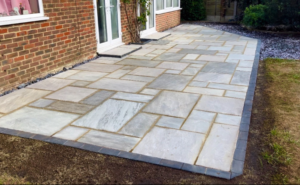
Patio landscaping should consider drainage, durability, and how the space connects to the house.
Paver patio installation is often chosen because it allows flexibility in layout and repair.
Soft landscaping and planting
Soft landscaping introduces texture, colour, and seasonal interest. Plant selection should suit soil conditions and desired maintenance levels.
A balanced mix of shrubs, perennials, and evergreen plants provides structure throughout the year.
Step 4: Planning Fencing and Garden Boundaries
Fencing is a functional and visual element in many gardens.
Role of fencing in garden design
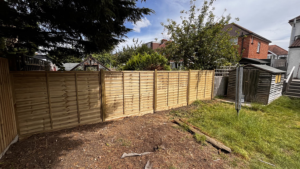
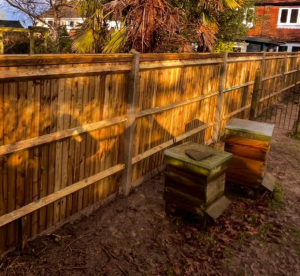
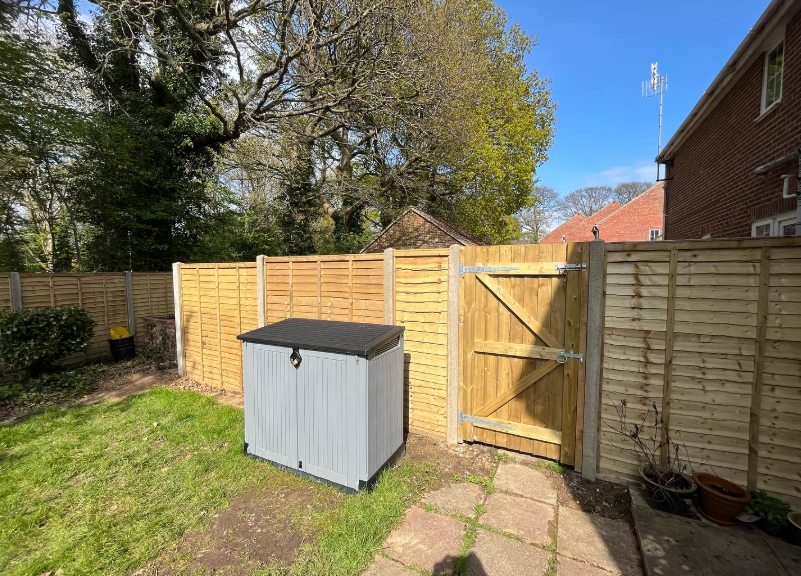
Garden fencing in West Sussex projects often use timber fencing to define boundaries and provide privacy.
Fence height, style, and placement should be considered alongside planting and layout to avoid blocking light or views.
Repairs and upgrades
Fence repair may be required before landscaping work begins. Weak or damaged fencing can undermine the finished design.
A fencing contractor in West Sussex homeowners rely on can advise whether repair or replacement is more suitable.
Step 5: Budgeting and Scheduling the Project
Garden projects require realistic budgeting and time planning.
Factors that influence cost
Costs vary depending on:
- Ground preparation requirements
- Materials for patios and fencing
- Lawn installation methods
- Plant size and quantity
- Labour and project duration
Understanding these factors helps homeowners prioritise spending.
Setting a workable timeline
Landscape construction usually takes place in warmer months. However, planning and preparation can start at any time of year.
Weather conditions may affect scheduling, particularly for groundwork and paving.
Step 6: The Garden Installation Process Explained
Understanding the garden installation process helps homeowners know what to expect during construction.
Informative overview of the installation stages
Stage | Key Activity | Why It Matters |
Site preparation | Clearing and levelling | Creates a stable base |
Structural landscaping | Fencing and patios | Defines layout |
Lawn installation | Turf or soil prep | Improves usability |
Planting | Trees and shrubs | Adds structure |
Finishing work | Edging and checks | Ensures longevity |
This sequence ensures each element supports the next. Skipping steps often leads to long term problems.
Coordinating landscaping and fencing
Many projects include both landscaping and fencing. A fencing and landscaping company can coordinate tasks efficiently and reduce delays.
Clear communication ensures the design plan is followed accurately.
Step 7: Designing and Installing Patios
Patios are often a central feature of modern gardens.
Planning a functional patio
Patio installation should consider size, access, and orientation. A well-positioned patio improves how the garden is used.
Patio landscaping helps connect indoor and outdoor spaces naturally.
Long term performance considerations
A stable base and correct drainage are essential. Poor installation can lead to movement and surface issues over time.
Quality groundwork by TH Fencing & Landscaping supports durability.
Step 8: Aftercare and Ongoing Garden Maintenance
Garden design does not end when installation is complete.
Early care after installation
New lawns and plants need time to establish. Watering, limited use, and basic monitoring are important during this period.
Understanding early care helps protect the garden investment.
Long term maintenance planning
Ongoing gardening and landscaping tasks include lawn care, hedge cutting, and seasonal pruning.
Thoughtful garden planning reduces future maintenance demands.
Common Garden Design Challenges in West Sussex
Certain issues appear frequently in local garden projects.
Drainage and soil limitations
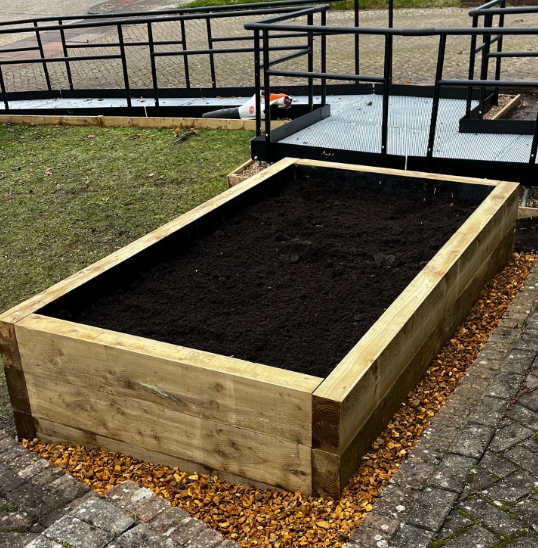
Heavy soil can lead to water retention. Solutions include soil improvement, raised planting areas, and proper drainage planning.
Addressing these issues early improves planting success.
Privacy and boundary concerns
Many gardens require additional privacy. Garden fencing company solutions should be planned alongside planting to maintain balance.
Good design avoids making the garden feel enclosed.
The Role of Bespoke Garden Design
Bespoke garden design focuses on creating a space tailored to the property and homeowner.
Personalised layouts
Custom layouts consider how the garden will be used now and in the future.
This improves comfort and usability compared to generic designs.
Long term benefits
Well planned gardens age more gracefully. Quality materials and sound landscaping architecture reduce the need for major changes later.
Choosing the Right Level of Professional Support
Not all garden projects require the same approach.
When expert input helps
Professional guidance is particularly useful for:
- Drainage and groundwork
- Structural landscaping
- Fencing installation
- Larger or complex layouts
A landscape construction company brings experience that supports better outcomes.
Importance of communication
Clear discussions about expectations, budget, and timelines help projects run smoothly.
Understanding the process builds confidence.
Final Thoughts
Planning a garden from start to finish is a structured process. For homeowners asking how do you plan garden design in West Sussex, understanding each stage helps reduce uncertainty and improve outcomes.
From gardening design and landscaping architecture to fencing and patios, every decision shapes how the garden will function and age.
A clear, informed approach leads to outdoor spaces that are practical, durable, and enjoyable for years to come. For expert guidance on planning, designing, or installing your garden, contact us today to discuss your project and explore the best solutions for your outdoor space.