If you have been searching for honest information about garden fencing in West Sussex, you are in the right place. Whether you want to replace a few storm-damaged panels, enclose a new garden, or simply refresh the look of your outdoor space, understanding what goes into a fencing project before you call a fencing contractor makes the whole process far less stressful.
This guide walks you through the types of fencing available, the key factors that influence your project, and how to go about getting reliable fencing quotes in West Sussex.
Why Fencing Projects Vary So Much
Garden fencing is not a one-size-fits-all job. Every property in West Sussex is different, and fencing contractors will assess a number of things before they can give you an accurate quote. The main factors that shape any fencing project include the total length and height of fencing required, the type of material you choose, the condition of existing posts and ground, whether old fencing needs removing, and how easy it is to access your garden.
Being aware of these variables means you will be better prepared when speaking to any fencing and landscaping company, and far less likely to be caught off guard during the quoting process.
Common Types of Garden Fencing Available in West Sussex
Choosing the right fencing type is one of the most important decisions you will make. Different styles suit different needs, from privacy and security to decorative appeal and boundary marking. Here is a look at the most popular options available from fencing companies in West Sussex.
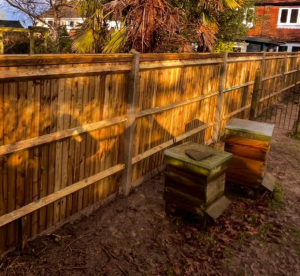
Closeboard (Featherboard): Strong and private, with overlapping vertical boards nailed to rails. Holds up well against wind and weather, perfect for back gardens where security matters.
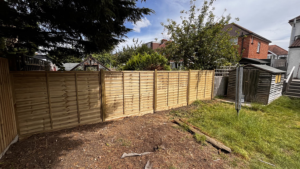
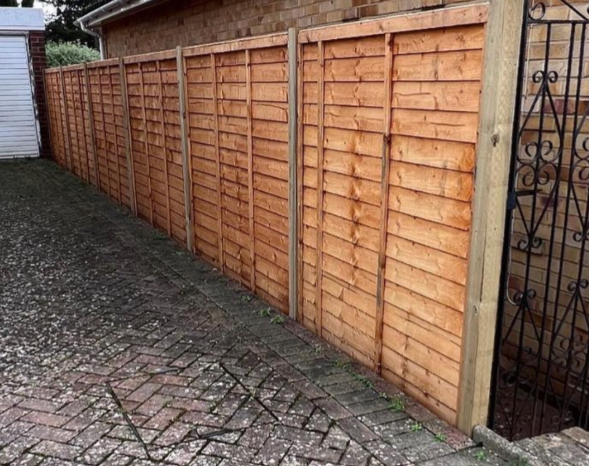
Lap Panel: Widely used and easy to install, with standard-sized panels. Offers a tidy look at a reasonable investment, though less durable long-term.
Picket: Decorative and open, ideal for front gardens. Adds kerb appeal and suits cottage-style or period properties but doesn’t provide privacy.
Trellis Panels: Lightweight and ornamental, often used as dividers or toppers. Let plants climb for a softer, more decorative boundary.
Composite: Low-maintenance alternative to wood, made from wood fibre and recycled plastic. Highly resistant to rot, warping, and fading.
Post and Rail: Open and informal, perfect for rural properties or paddocks. Defines boundaries naturally without creating a solid barrier.
Wooden Fencing: Still the Most Popular Choice
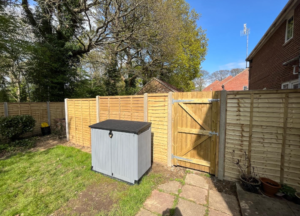
Wooden fencing is the most popular choice in West Sussex, suiting both period cottages and modern homes. Timber blends naturally into gardens and can be painted, stained, or treated in various colours. Common styles include closeboard, lap panels, and picket fencing, each with its own benefits. While timber requires periodic treatment to protect against wet weather, a professional garden fencing contractor can advise on the best materials and maintenance schedule. Low-maintenance composite fencing is also an alternative worth considering.
What Affects the Scope of Your Fencing Project?
Before any fencing company in West Sussex can give you an accurate picture of what your project involves, they need to understand its full scope. It is worth thinking through the following before requesting fencing quotes.
Boundary Length: The longer your garden fence, the more materials and labour are needed. Measuring your garden beforehand helps contractors provide more accurate estimates and saves time during site visits.
Ground Conditions: Uneven, rocky, sloped, or waterlogged ground can make installation more challenging. In West Sussex, especially near the South Downs, these conditions may affect how posts are set and how long the work takes.
Fence Height: Standard panels are around 1.8 metres, but taller fencing for extra privacy or security requires stronger posts and fixings, adding to the installation effort.
Removal of Old Fencing: Existing fences that need taking down increase project time. Some contractors include removal and disposal in their quotes, while others charge separately, so clarify this upfront.
Number of Gates: Adding one or more gates involves extra framing, hinges, and fixings. Ensure gates are itemised in any quote to avoid unexpected costs.
How to Get the Best Fencing Quotes in West Sussex
Getting multiple fencing quotes is always a smart move. To compare them fairly, ask each fencing contractor to quote for the exact same scope of work. Make sure old fencing removal is either included or separately itemised. Check whether VAT is included in the figure. Ask about the type of timber treatment used and any warranty on materials. Find out how long the project is expected to take. And take the time to look at reviews and examples of previous work from local fencing companies in West Sussex before committing.
A reputable garden fencing company will be happy to walk you through their quote in detail and answer any questions. Be cautious of unusually low quotes that do not come with a clear breakdown of what is included.
Affordable Fencing Options Worth Considering
If budget is a key concern, there are sensible ways to get a solid result without compromising too much on quality. Lap panel fencing tends to be one of the more accessible options because panels are standardised and installation is efficient. Post and rail fencing works well for rural or informal boundaries where full privacy is not the priority. Combining partial solid fencing with trellis or hedging can also help reduce the overall run of more expensive panels. And if your garden is large, phasing the project across different sections over time is a practical way to manage costs.
Talking through your priorities with a local fencing and landscaping company will help you find the right balance between quality, appearance, and what works for your situation.
Fencing and Landscaping: Thinking About the Bigger Picture
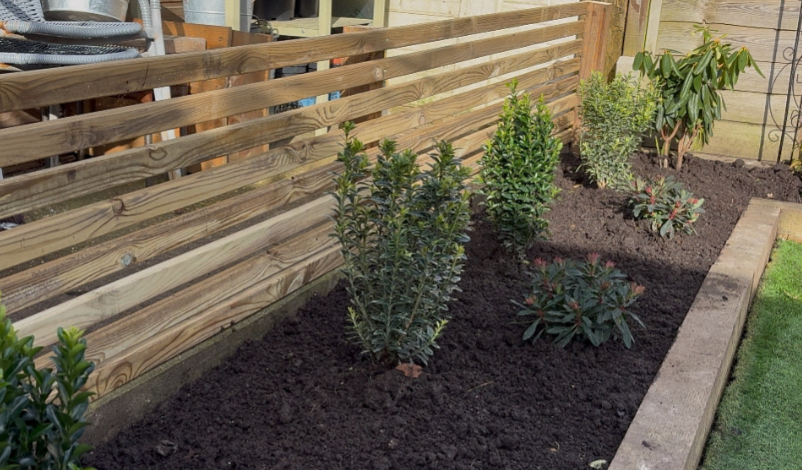
Fencing rarely works in isolation. The best results often come when fencing is planned alongside other garden improvements. A landscape construction company or landscaping services provider can help you think about how fencing connects with patios, planting areas, lawns, and garden structure as a whole.
If you are working with landscapers in West Sussex on a broader garden project, it often makes sense to coordinate the fencing work at the same time. This can save disruption and ensure that everything from patio installation to planting is laid out with the fence line in mind from the start.
Finding a Reliable Fencing Contractor in West Sussex
When searching for fencing contractors in West Sussex, local experience matters. A fencing contractor who works regularly in the area will understand local planning considerations, typical ground conditions, and the kinds of materials and styles that suit West Sussex properties.
Look for a garden fencing company that offers a clear written quote, uses quality materials, and has a track record of completed projects in your area. Whether you need a straightforward fence repair or a full fence installation across a large garden, working with an experienced fencing company in West Sussex gives you the best chance of a result you will be happy with for years to come.
Conclusion
Garden fencing in West Sussex is more than just marking your boundary it enhances privacy, security, and the overall appearance of your garden. By considering the different types of fencing, key factors that affect installation, and how to choose a reputable contractor, you can make informed decisions that suit both your garden and your budget. Planning ahead, coordinating with landscaping work, and comparing quotes carefully will help ensure a smooth installation and a fence that lasts for years. If you’re ready to get started or want professional guidance, contact us today to discuss your options with a trusted garden fencing contractor in West Sussex.