If you own a garden in West Sussex, you will know that no two plots are quite the same. Some are compact town gardens tucked behind terraced houses, while others are wide, open spaces on the edge of the South Downs. Regardless of size or shape, good gardening design can completely transform how a garden looks, feels, and works on a day-to-day basis.
This guide walks through the design ideas that tend to work best for typical West Sussex gardens, from choosing the right layout to selecting materials, planting styles, and functional features that suit the local climate and lifestyle.
Why Good Garden Design Matters in West Sussex
West Sussex has a relatively mild climate with fairly reliable rainfall, which means most gardens here have real growing potential. However, without a clear design approach, even the most promising plot can end up feeling cluttered, hard to maintain, or simply underused.
Whether you are working with a landscape construction company, consulting landscape designers, or planning a project yourself, starting with a solid design foundation saves time, money, and effort in the long run.
Good gardening design also adds measurable value to your home. A well-planned garden with clear zones, quality materials, and thoughtful planting is a genuine selling point in a region where outdoor space is highly valued.
Start with How You Actually Use Your Garden
Before thinking about plants, paving, or fencing, it helps to ask a simple question: what do you actually want from your garden.
The most successful designs begin with function, not aesthetics. Here are some common uses to consider:
Entertaining and dining – a patio or terrace with seating close to the house
Children’s play areas – safe, level surfaces with room to move
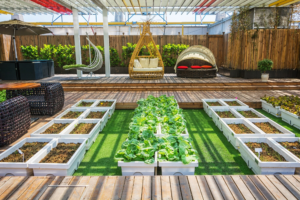
Kitchen garden or growing space – raised beds, compost areas, and easy access paths
Wildlife habitat – native planting, log piles, and pond features
Low maintenance relaxation – gravel, bark, and slow-growing plants that need little attention
Most West Sussex gardens can accommodate more than one of these zones if the space is planned carefully.
Popular Garden Layout Styles That Work Well Locally
Once you know how you want to use the space, the next step is choosing a layout style. Here are four approaches that suit typical gardens across West Sussex. Working with a trusted fencing company in West Sussex can also help define boundaries and enhance the overall structure of your garden design.
Contemporary Formal Design
This style uses clean geometric lines, symmetry, and a restrained plant palette. It works particularly well with modern or recently built properties. Key elements include:
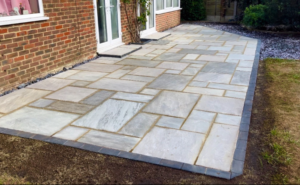
Rectangular patio areas in porcelain or natural stone
Clipped box or yew hedging for structure
Simple water features as focal points
A limited colour palette in planting
Cottage Garden Style
West Sussex has a strong tradition of cottage-style gardening, and it suits older properties very well. This approach is less rigid and relies on:
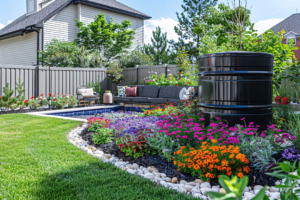
Soft, informal planting with perennials and climbing roses
Gravel paths and rustic timber edging
Naturalistic planting that changes through the seasons
Traditional materials like reclaimed brick or sandstone
Patio Design and Hard Landscaping
The hard landscaping is often the element that defines a garden most visibly, and getting the materials and layout right makes a significant difference. Working with experienced landscapers in West Sussex can help ensure everything is designed and built to a high standard.
Choosing Patio Materials
Material | Appearance | Durability | Maintenance | Cost Range |
|---|---|---|---|---|
Porcelain tiles | Sleek, modern | Very high | Low | Higher |
Natural sandstone | Warm, traditional | High | Medium | Mid-range |
Block paving | Neat, uniform | High | Low | Mid-range |
Gravel | Informal, flexible | Good | Low | Lower |
Reclaimed brick | Character-rich | High | Medium | Varies |
For most West Sussex gardens, natural sandstone and porcelain are the most commonly chosen options for patio installation because they complement both older and newer properties. Paver patio installation using concrete or stone block paving is also a popular choice for driveways and larger garden areas.
Garden Fencing and Boundaries
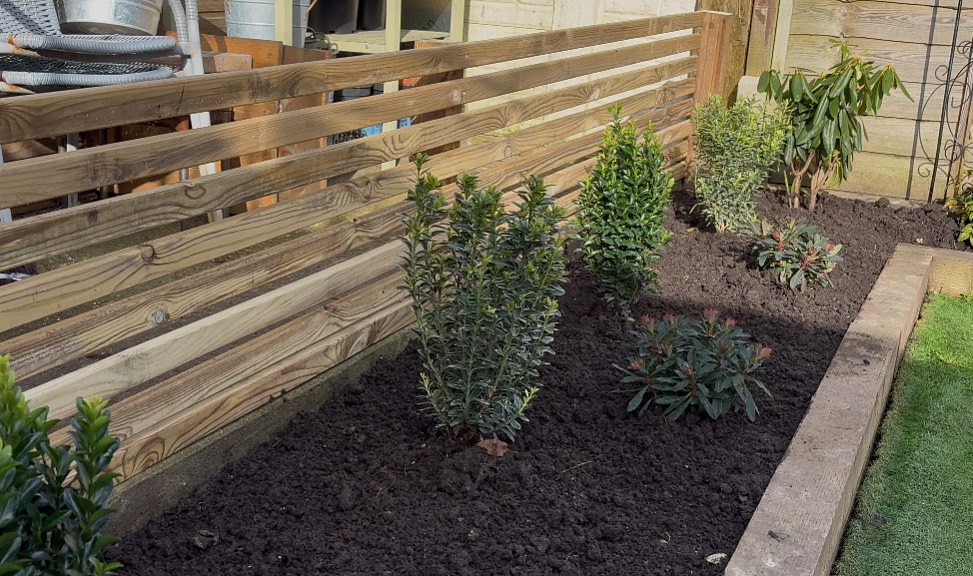
Fencing is one of the most practical elements of any garden design. It provides privacy, security, defines the space, and can even act as a design feature in its own right.
Types of Fencing Commonly Used in West Sussex Gardens
Working with a qualified fencing contractor or garden fencing company means you can access a wide range of options to suit your budget, style, and boundary requirements. Here are the most popular types:
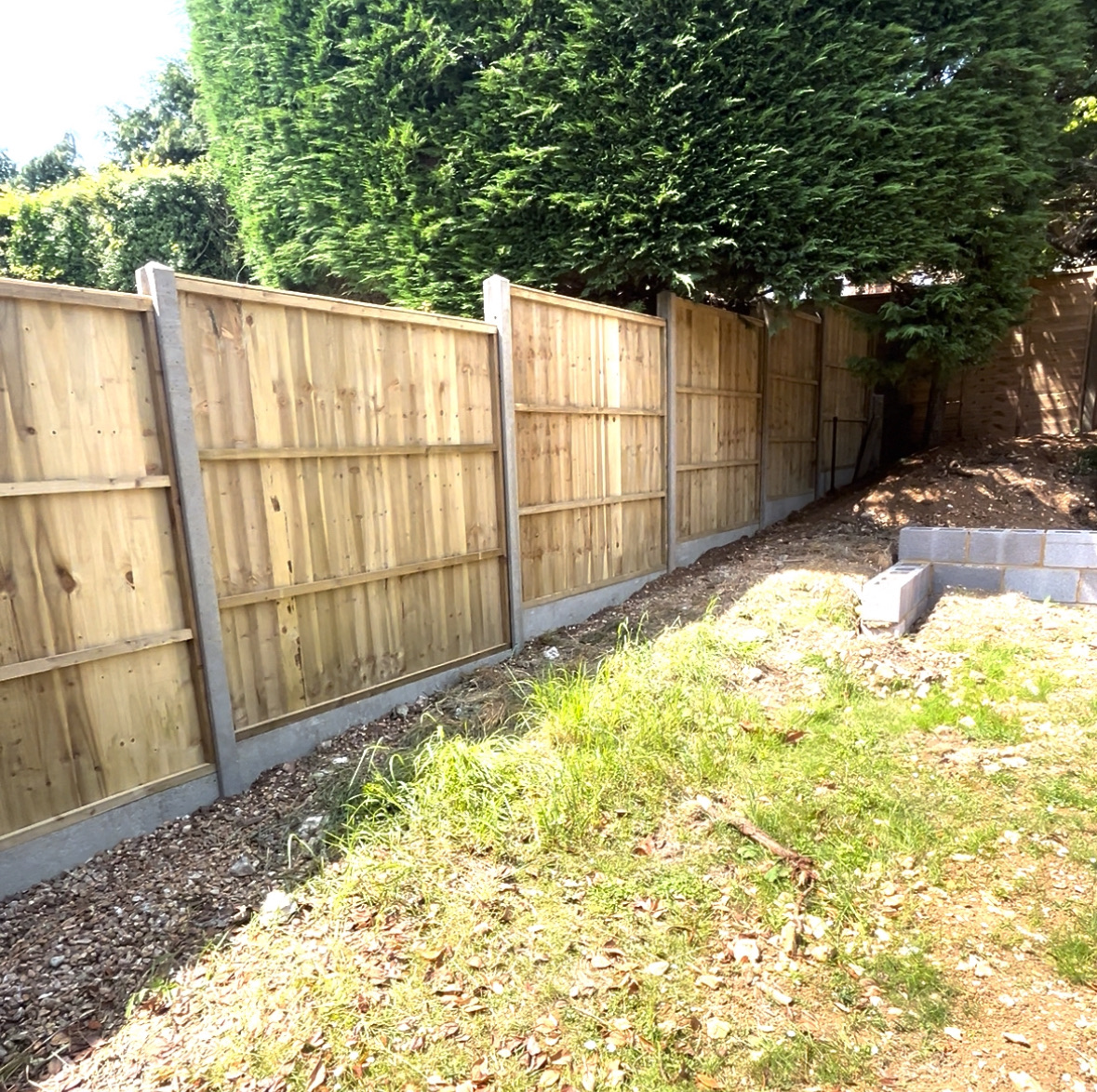
Closeboard panel fencing – robust and private, the most widely used option for rear gardens
Featheredge fencing – a traditional close board style nailed to arris rails, very durable
Trellis topping – adds height to existing panels while allowing light and air through
Picket fencing – a classic front garden option that looks well with cottage or period properties
Post and rail fencing – suits rural properties with open views and larger grounds
Metal railings – a more formal, long-lasting option for front boundaries
Fence installation should always be carried out by experienced fencing contractors who can advise on post depth, concrete footings, and the correct height for your plot. It is also worth considering fence repair as a priority if existing boundaries are in poor condition, as damaged fencing affects both security and visual appeal.
Planting Ideas That Work in the West Sussex Climate
The local climate in West Sussex is broadly mild and fairly wet, with warmer, drier summers in recent years. This suits a wide range of plants, from Mediterranean-style drought-tolerant perennials to traditional English cottage planting.
For Structure and Year-Round Interest
Evergreen box (Buxus sempervirens) for topiary and hedging
Photinia Red Robin as a colourful screening plant
Viburnum tinus for winter flowers and structure
Fatsia japonica for bold, architectural foliage in shaded spots
For Seasonal Colour
Alliums and geraniums for late spring and early summer
Lavender and nepeta for drought-tolerant summer borders
Rudbeckia and echinacea for late summer and autumn colour
Hellebores and winter-flowering heathers for winter interest
For Wildlife and Pollinators
Native hawthorn and blackthorn hedgerows
Ox-eye daisies and foxgloves in informal areas
Sedum (stonecrop) on sunny banks or green roofs
Single-flowered roses and fruit trees
If you own a garden in West Sussex, you will know that no two plots are quite the same. Some are compact town gardens tucked behind terraced houses, while others are wide, open spaces on the edge of the South Downs. Regardless of size or shape, good gardening design can completely transform how a garden looks, feels, and works on a day-to-day basis.
This guide walks through the design ideas that tend to work best for typical West Sussex gardens, from choosing the right layout to selecting materials, planting styles, and functional features that suit the local climate and lifestyle.
Final Thoughts
Good gardening design is not about following trends or creating something that looks impressive in photographs. For most West Sussex homeowners, the best gardens are the ones that work well for their specific household, complement the style of the property, and are manageable to look after over time.
Whether you’re planning a patio, installing new fencing, or redesigning your entire garden, careful planning helps avoid costly mistakes and ensures a better result. Speaking with a local landscaping expert can guide your decisions on layout, materials, and budget. Contact us todday to explore your options and find the right approach for your garden project.