
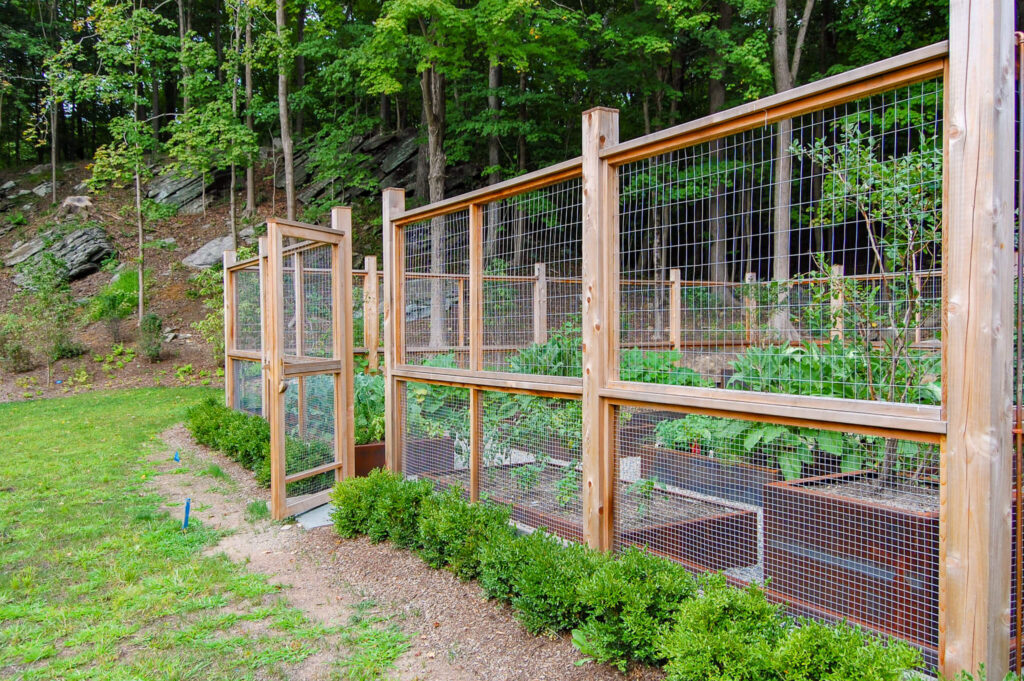
A garden fence is one of those additions homeowners often think about only once, at the point of installation, and then rarely again until something goes wrong. Yet the choices made at the outset, the materials used, the way the fence is fitted, and how well it suits the local climate, determine whether it will still be doing its job properly in five, ten or fifteen years. Getting fence selection right from the start is not simply about appearance. It affects how much time and money you spend on repairs, how secure your garden remains, and how much value the fence continues to add to your property over time.
At TH Fencing & Landscaping, we work with homeowners across West Sussex who are weighing up their options for garden fencing in West Sussex, and one theme comes up again and again. People often assume that any panel will do the job, only to find within a couple of years that poor material choice or weak installation has left them with a fence that leans, rots or needs replacing far sooner than expected. This article looks at why fence selection matters, what factors genuinely affect long-term performance, and how to approach the decision so that your garden fencing continues to perform well long after installation day.
What Long-Term Performance Actually Means for a Garden Fence
When people talk about a fence performing well over the long term, they usually mean a combination of things working together rather than one single feature. A well-performing garden fence should:
- Stay structurally sound in wind and wet weather
- Resist rot, warping and insect damage
- Keep its appearance without excessive fading or discolouration
- Require only occasional, minor maintenance
- Continue to provide privacy and security without gaps forming
A fence that ticks these boxes for a decade or more has usually been chosen with care, not picked simply because it was the cheapest option on the shelf. This is where the difference between a fence for garden use that is genuinely fit for purpose and one that merely looks acceptable on day one becomes clear.
Why the Wrong Fence Choice Costs More Over Time
It is easy to see fencing as a fairly small decision compared with something like a full landscaping project. In practice, a poor choice of garden fence can end up being one of the more expensive mistakes a homeowner makes, simply because the costs are spread out and easy to underestimate at the time of purchase.
Hidden Costs of Low-Quality Fencing
Cheaper fencing panels are often made from thinner timber, treated with a lighter preservative, or assembled with fixings that are not designed to withstand years of weather exposure. On the surface, this keeps the initial price down, but the hidden costs tend to appear within two or three years:
- More frequent repairs to panels, posts or gravel boards
- Replacement of individual sections rather than the whole run lasting evenly
- Additional treatments or paint needed to slow down deterioration
- Higher risk of storm damage due to weaker construction
The Value of Getting It Right First Time
A garden fence that has been selected with the right materials, correct post spacing and proper ground preparation will generally need far less attention. Over a ten-year period, the total cost of ownership for a well-chosen fence is often lower than a budget option, even though the upfront price may be higher. This is one of the main reasons an experienced fencing contractor will talk through material options with a client rather than simply installing whatever is requested without discussion.
Key Factors That Affect Fence Longevity
Several practical factors influence how long a fence will last and how well it performs, regardless of which style is chosen.
Material Quality
Not all timber, or all metal for that matter, is equal. Pressure-treated softwood, properly kiln-dried before treatment, will resist rot far longer than untreated or poorly treated wood. Similarly, galvanised or powder-coated metal components resist corrosion better than untreated steel. When comparing garden fences, it is worth asking what timber grade or coating standard has been used, rather than assuming all products described as treated are equivalent.
Installation Standard
Even excellent materials will underperform if installed incorrectly. Posts that are not set deep enough, concrete that has not been given time to cure, or panels fitted without adequate drainage at the base are common causes of early failure. This is one of the strongest arguments for using a qualified fencing installation team rather than treating it purely as a do-it-yourself weekend project.
Local Climate and Exposure
West Sussex gardens face a mix of conditions, from sheltered suburban plots to more exposed rural boundaries that catch the wind coming off the Downs. A fence that performs well in a sheltered garden may need reinforcing or a different design entirely if it sits in a more exposed spot. Wind loading, ground moisture and how much direct sun a fence receives all affect how quickly materials age.
Ground Conditions
Clay soils, which are common across parts of West Sussex, expand and contract with moisture levels through the seasons. This movement can loosen posts that have not been set correctly, so ground assessment before installation is a step that should never be skipped. At TH Fencing & Landscaping, we always consider soil conditions as part of the planning process to help ensure long-term fence stability.
If you would like a closer look at how design choices affect performance in different plot shapes, TH Fencing & Landscaping also recommends our guide on making the most of an awkwardly shaped garden, which covers some useful principles that apply just as much to fencing layout as they do to planting.

Comparing Common Garden Fencing Options
The table below sets out how some of the most widely used fencing types typically perform, to help with weighing up the practical trade-offs.
| Fencing Type | Typical Lifespan | Maintenance Needs | Best Suited For |
|---|---|---|---|
| Pressure-treated timber panels | 10–15 years | Occasional re-staining, annual checks | General garden fences, most budgets |
| Closeboard fencing | 15–20 years | Low, with periodic post checks | Boundary fences, added privacy and strength |
| Feather edge fencing | 12–18 years | Moderate, occasional board replacement | Traditional garden fencing look |
| Metal railings or estate fencing | 20–25 years | Very low, occasional repainting | Front gardens, decorative boundaries |
| Composite fencing | 20–30 years | Very low, cleaning only | Homeowners wanting minimal upkeep |
| Wattle or willow hurdles | 5–8 years | Higher, more frequent replacement | Cottage-style or decorative gardens |
As the table shows, there is no single correct answer, as it depends on how the garden is used, how exposed the site is, and how much ongoing maintenance a homeowner is willing to take on.
Choosing the Right Fence for Your Garden
Selecting outdoor fence solutions is not just about picking a style from a brochure. A few practical questions can help narrow down the right option.
Consider the Purpose First
Is the fence mainly for privacy, security, marking a boundary, or containing pets? A fence for garden use that needs to keep a dog secure will need different specifications from one that is purely decorative along a front garden.
Match the Fence to the Garden’s Character
Garden fences work best when they suit the wider setting. A period property may call for a more traditional feather edge or picket style, while a modern build might suit horizontal slatted panels or composite fencing with clean lines.
Think About Maintenance Realistically
Some homeowners enjoy the occasional weekend spent treating timber, while others would rather install a fence for gardens that requires almost no attention. Being honest about this at the outset avoids disappointment later.
Get Professional Advice on Suitability
A short conversation with an experienced fencing contractor west sussex homeowners trust can save a good deal of trial and error. Site-specific advice, based on soil type, exposure and the intended use of the space, tends to lead to far better outcomes than choosing based on appearance alone.
For those exploring more contemporary styles before making a final decision, it is worth reviewing our article on current garden fencing design ideas to see how different materials and layouts are being used in gardens right now.
Why Professional Installation Makes a Measurable Difference
Even the best garden fencing material will not perform to its potential if it has been fitted poorly. A professional fencing company in West sussex homeowners can rely on will typically follow a consistent process, including checking ground conditions, confirming boundary lines, setting posts to the correct depth, and ensuring adequate drainage around the base of each post.
This is also where the distinction between a general contractor and a specialist becomes relevant. A dedicated garden fencing contractor will have handled a wide range of ground types and fence styles, which means problems that might catch an inexperienced installer off guard, such as tree roots, uneven ground or existing drainage issues, are usually identified and worked around before they cause problems.
Maintaining Your Fence to Protect Its Performance
Selecting the right fence is only part of the picture. A small amount of regular maintenance extends the working life of almost any garden fence considerably.
- Check posts annually for movement, particularly after winter storms
- Clear leaves and debris that collect at the base of panels, since trapped moisture speeds up rot
- Re-treat or re-stain timber fencing as recommended by the manufacturer, typically every two to three years
- Trim back plants and hedging that press against fence panels
- Address small repairs promptly rather than waiting for them to worsen
Taken together, these habits, combined with a fence that was well chosen and properly installed from the outset, make a noticeable difference to how long a fence lasts and how good it continues to look.
Final Thoughts
Fence selection is not a decision to rush through. The materials chosen, the standard of installation, and how well the fence suits the specific conditions of a garden all play a part in how it performs for years to come. Taking the time to think this through, rather than opting for the cheapest available panel, tends to pay off in fewer repairs, less maintenance and a garden boundary that continues to look good well into the future.
If you are planning a new fence or replacing an existing one, TH Fencing & Landscaping can talk you through the options that suit your garden, your budget and your local conditions across West Sussex. Contact us today to discuss your project.