If you have been thinking about getting a new fence fitted or replacing an old one, the first question on your mind is probably: how much is this actually going to cost me? It is a completely fair question, and one that too many fencing companies avoid answering in a straightforward way.
This guide is here to help. Rather than throwing out numbers that may not apply to your specific garden or situation, we will walk you through everything that affects the cost of garden fencing in West Sussex, how to compare quotes properly, and how to make sure you are getting good value for your money. By the end, you will know exactly what to look for and what questions to ask before you commit to anything.
What Affects the Cost of Garden Fencing in West Sussex?
Garden fencing costs vary due to several factors, not fixed pricing. Understanding these helps you compare quotes and avoid surprises when working with a fencing and landscaping company.
Type of fencing material
The material you choose is one of the biggest influences on overall cost. Here are the most common fencing types installed by garden fencing contractors across West Sussex:
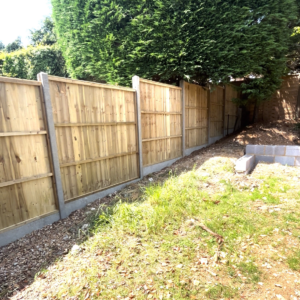
Close-board (feather edge) fencing is one of the most widely used options for residential gardens in the UK. It offers solid privacy, good durability, and suits most garden layouts.
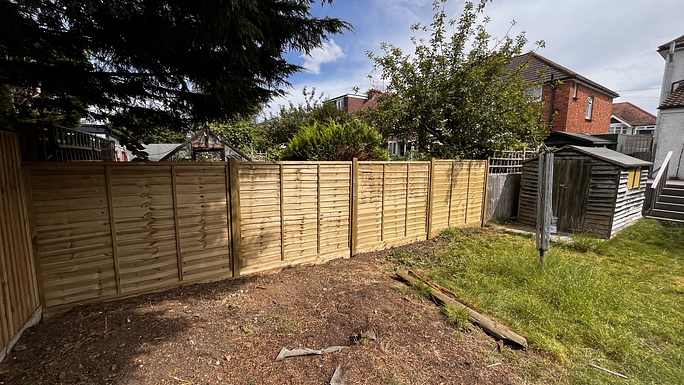
Lap panel fencing is typically the most budget-friendly option upfront, though it tends to be less resistant to strong winds over time.
Picket fencing is a classic choice, particularly for front gardens. It is open in design, so it suits boundaries where privacy is less of a priority.
Post and rail fencing works well in rural and semi-rural settings. It is a practical option for marking a boundary without blocking views or light.
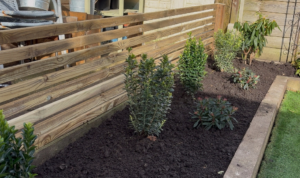
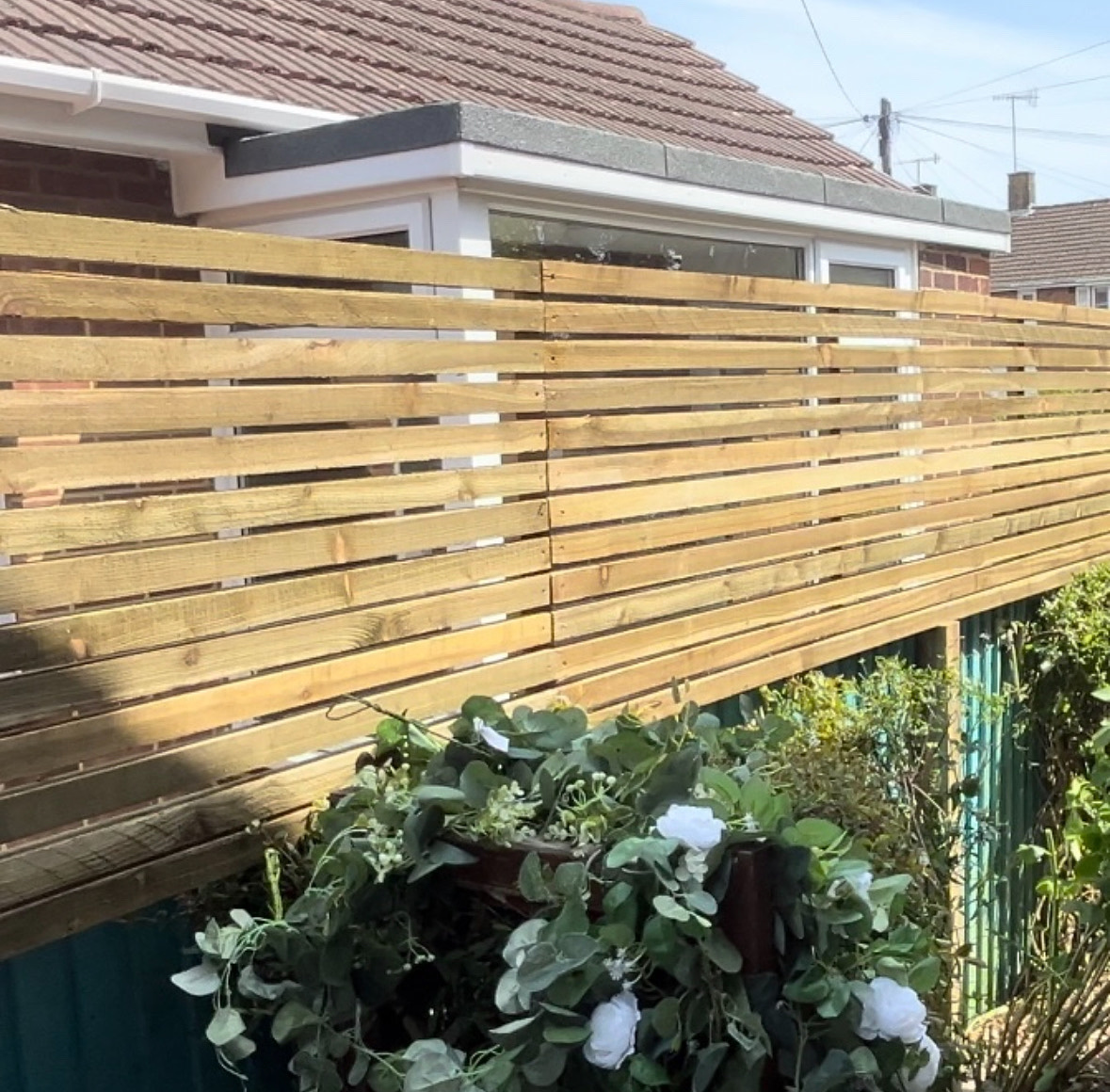
Trellis and decorative fencing varies considerably depending on the design and materials involved, and can be incorporated beautifully into a broader garden design scheme.
How to Get an Accurate Fencing Quote in West Sussex
The most accurate fencing quote comes from a site visit. Factors like ground conditions, access, and measurements can affect costs, so an in-person assessment ensures a more reliable estimate.
When requesting fencing company in west sussex, here are some things worth keeping in mind:
Request at least two or three quotes from different fencing contractors so you can compare both price and approach.
Ask for written, itemised quotes that clearly separate materials, labour, and any additional work such as removal of old fencing.
Check whether VAT is included in the quoted figure or will be added on top.
Ask about the timber being used, including whether it is pressure-treated for long-term durability.
Clarify the post fixing method and whether posts will be set in concrete.
Ask about the expected timescale for both starting and completing the work.
Find out whether a guarantee is offered on both materials and labour.
Getting these details in writing before work begins protects you as a customer and makes comparing quotes a much fairer exercise.
Fence Repair vs. Full Replacement
Not every fencing job requires a full replacement. If only part of your fence has been damaged, a targeted fence repair is often a far more practical and cost-effective solution than starting again from scratch.
Signs that repair is likely sufficient:
One or two panels were blown out during a storm
A single post has rotted or snapped at the base
Surface damage or splitting on a few boards that are otherwise structurally sound
Signs that full replacement is the better long-term decision:
Several posts are leaning, rotting, or structurally compromised
Panels are repeatedly failing after every bit of rough weather
The fencing is more than 15 to 20 years old and showing widespread deterioration
Storm or impact damage has affected a significant portion of the fence run
A reliable fence or landscape design company will recommend the most suitable option, whether that’s a repair or full replacement, based on your needs.
Key Factors Affecting Fencing Costs
Factor | Description | Impact |
|---|---|---|
Material Type | Type of fencing used | High |
Garden Size | Total fencing length required | High |
Ground Conditions | Soil, slope, and groundwork needs | Med–High |
Access | Ease of site access | Medium |
Labour | Time and complexity of work | High |
Extras | Gates, trellis, custom features | Med–High |
Old Fence Removal | Disposal of existing fencing | Medium |
VAT & Add-ons | Taxes and additional costs | Medium |
Does Garden Fencing Need Planning Permission?
In most cases, no. Under permitted development rules in England, you can generally erect a fence up to two metres in height without needing planning permission, provided it is not adjacent to a highway. If the fence would sit alongside a road or public footpath, the permitted height drops to one metre.
There are some exceptions worth being aware of:
Properties in conservation areas may have stricter rules
Listed buildings and their grounds can have additional restrictions
Some new-build estates have conditions in their planning approval that restrict certain types of boundary treatment
If you are ever unsure, it is always worth checking with your local planning authority before work begins. A knowledgeable fencing contractor in West Sussex will usually be able to advise on this as part of their initial site visit.
Final Thoughts
The most reliable way to get an accurate fencing quote is through an on-site visit by an experienced contractor, as factors like ground conditions, access, measurements, and existing structures all influence the final cost.
When you are ready to proceed, choose a reputable local fencing company in West Sussex that offers clear communication, transparent pricing, and detailed written quotations. Whether it’s a simple repair, new installation, or part of a larger landscaping project, working with professionals ensures a smoother process and better results.
Quality fencing is a long-term investment, and getting it done properly the first time helps avoid unnecessary costs and issues in the future. Contact us to discuss your project and explore the best solution for your garden.