Garden walls do far more than mark the edge of a property. They shape how a garden feels, provide structure for planting, offer privacy from neighbouring properties and, when designed well, become a defining feature of the outdoor space. For homeowners across West Sussex, choosing the right wall design involves balancing style, practicality and the character of the surrounding property.
This guide looks at a range of garden walls ideas, with particular attention to brick construction, boundary treatments and how walls can be worked into a modern garden layout. Whether you are starting a new build or updating an established garden, these ideas offer a practical starting point for planning a wall that suits both the house and the wider landscape.
Why Garden Walls Matter in Garden Design
A wall is rarely just a boundary marker. In good garden design, walls contribute to the overall structure of the space in several ways.
- They define separate zones within a garden, such as a patio area distinct from a lawn or planting bed
- They provide privacy and reduce noise from neighbouring properties or nearby roads
- They create shelter from wind, which can extend the range of plants that will thrive in a given spot
- They add a sense of permanence and structure that softer boundaries, such as hedging, take years to achieve
- They can support climbing plants, adding another layer of greenery without taking up ground space
Because walls are a long-term investment, it is worth thinking carefully about design, materials and positioning before construction begins, rather than treating the wall as an afterthought once planting and paving are complete.
Brick Garden Walls: A Timeless Choice
Brick remains one of the most popular materials for garden walls, and for good reason. Brick garden walls suit a wide range of property styles, from period homes to more contemporary builds, and they age well when properly constructed and maintained.
Benefits of Brick Walls
Brick offers several practical advantages over other wall materials.
- Durability, with well-built brick walls lasting for decades with minimal maintenance
- Thermal mass, which can help retain warmth in sheltered planting areas
- A wide range of colours and bonding patterns, allowing the wall to be matched to the existing property
- Compatibility with reclaimed or handmade bricks for a more traditional appearance, or crisp modern bricks for a contemporary look
Considerations Before Building
Before committing to brick, there are a few factors worth considering. Local soil conditions affect the type of foundation required, and heavier clay soils common in parts of West Sussex may need deeper footings than sandier coastal ground. Height also matters, since taller walls typically require piers or buttressing for stability, and in some cases planning permission depending on height and location relative to a public highway.
Popular Brick Garden Wall Designs
There is no single correct approach to brick garden wall designs, and the right choice depends on the style of the property and the intended use of the space. The table below outlines several common design approaches and where they tend to work best.
| Design Style | Description | Best Suited For |
|---|---|---|
| Traditional English Bond | Alternating rows of headers and stretchers for a classic, sturdy appearance. | Period properties and traditional gardens. |
| Flemish Bond | Headers and stretchers alternate within each row, creating a decorative pattern. | Character homes wanting a more detailed finish. |
| Stack Bond | Bricks laid directly on top of each other in clean vertical lines. | Modern and minimalist garden designs. |
| Rendered Brick Wall | Brick core finished with a smooth painted render. | Contemporary properties wanting a crisp, uniform look. |
| Low Brick Wall with Railings | A low brick base topped with metal railings or timber panels. | Front gardens wanting openness with defined boundaries. |
| Brick and Stone Combination | Brick paired with natural stone capping or detailing. | Gardens blending traditional and modern elements. |
Choosing a design that complements the existing brickwork of the house, where possible, often creates the most cohesive result, particularly for front garden boundaries that are highly visible from the street.
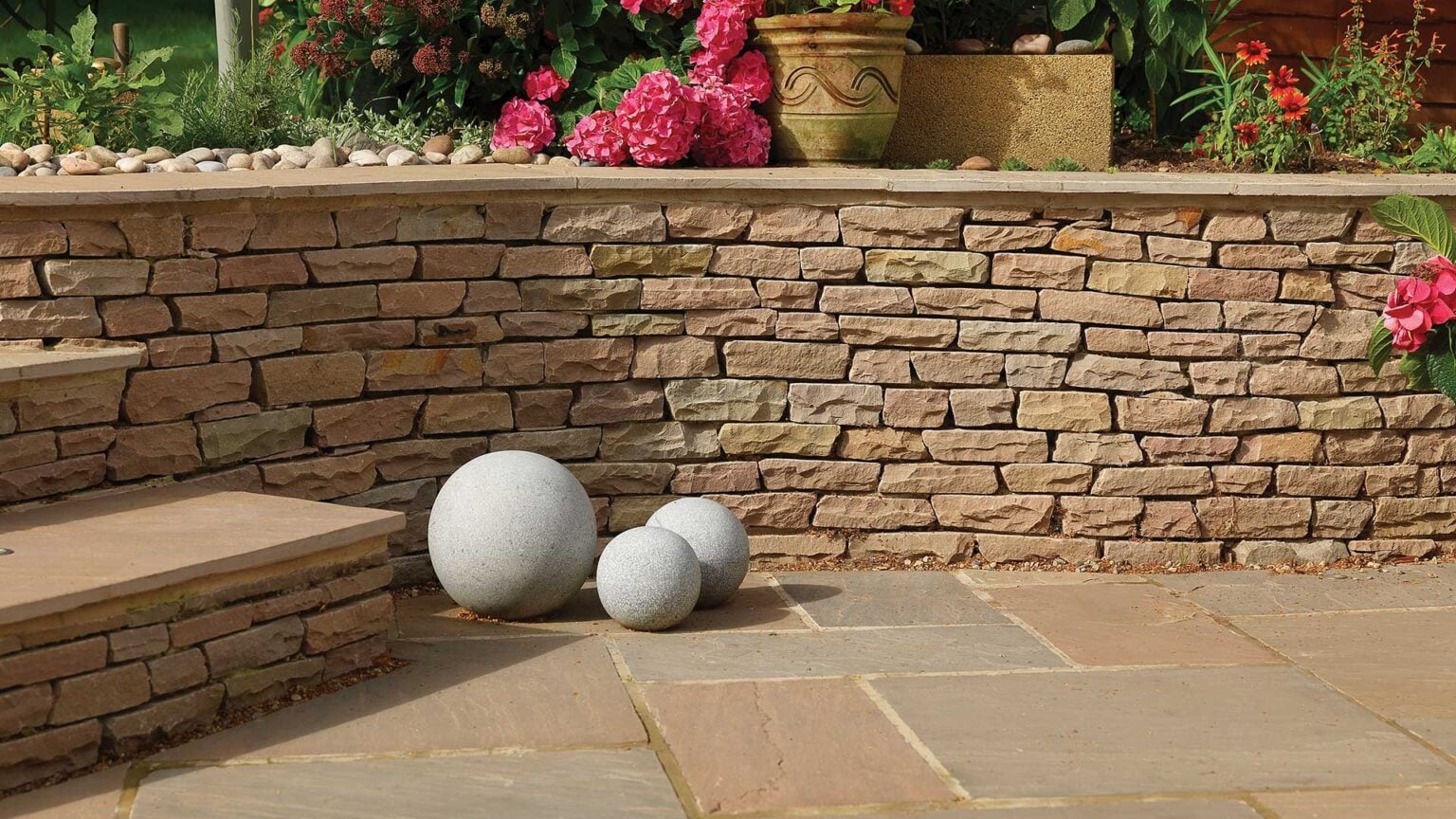
Boundary Front Garden Brick Wall Designs
Front garden walls carry a slightly different set of considerations compared to those in a rear garden, since they are often the first visual impression of a property and need to balance privacy with an inviting appearance. When planning boundary front garden brick wall designs, a few points are worth keeping in mind.
Height and Openness
Very tall front boundary walls can feel imposing and may reduce natural surveillance of the property, which some homeowners prefer to avoid for security reasons. Lower walls, sometimes combined with railings or planting on top, tend to strike a better balance between privacy and openness.
Matching the Property Style
A front wall that reflects the brickwork or architectural style of the house tends to look more considered than one that clashes with it. This does not mean the materials need to match exactly, but there should be a visual connection between the two.
Practical Access Points
Gateways, dropped kerbs for vehicle access and pedestrian entrances all need to be planned alongside the wall itself. Leaving these as an afterthought often results in awkward positioning that is difficult to correct once the wall is built.
Creative Ideas for a Garden Wall Beyond Brick
While brick is a popular choice, it is not the only option. For homeowners looking for ideas for a garden wall that step outside traditional brickwork, several alternatives are worth considering.
- Rendered block walls finished in a range of colours for a smooth, contemporary appearance
- Natural stone walls, particularly suited to more rural or period properties
- Gabion walls, using stone-filled wire cages, which offer a modern, textured look and good drainage
- Timber-clad walls, often used to soften the appearance of a boundary while still providing structure
- Living walls or green walls, which combine planting directly into the wall structure for a softer, more natural feel
Each of these options carries different maintenance requirements and lifespans, so it is worth weighing up long-term upkeep alongside the initial visual appeal.
Designing Walls for a Modern Garden
Modern garden design tends to favour clean lines, minimal detailing and a restrained material palette. When incorporating walls into this style, a few principles tend to work well.
Keep Bonding Patterns Simple
Stack bond or simple stretcher bond patterns generally suit modern gardens better than more ornate traditional patterns, which can look busy against a minimalist backdrop.
Use Walls to Frame Views
Rather than enclosing the entire garden, walls can be used selectively to frame a particular view or feature, such as a specimen tree or a seating area, while leaving other boundaries softer with planting or fencing.
Combine Materials Thoughtfully
Pairing brick with timber, stone or metal detailing can add interest without overcomplicating the design. The key is limiting the palette to two or three materials rather than introducing too many different textures and finishes.
Integrate Lighting
Low-level lighting built into or positioned along a wall can extend the usability of the garden into the evening and highlight the texture of the brickwork or chosen material after dark.
Working with a Landscape Design Company
Planning and constructing a garden wall involves more than choosing a style. Foundation depth, drainage, structural stability and compliance with any relevant regulations all need to be considered, particularly for taller or longer walls. This is where working with a landscape design company or experienced landscapers can make a significant difference to the outcome.
A qualified team will typically consider:
- Ground conditions and appropriate foundation depth for the local soil type
- Drainage behind the wall to prevent water pressure building up and causing damage over time
- Structural requirements for height, including piers or buttressing where needed
- How the wall integrates with existing planting, paving and other garden features
- Any planning considerations relevant to the specific location and height of the wall
Homeowners searching for landscape gardeners in West Sussex often find that involving professionals early in the design stage, rather than only at the construction phase, results in a wall that is both structurally sound and visually well integrated into the wider garden.
Choosing Landscapers in West Sussex
West Sussex covers a wide range of property styles and ground conditions, from coastal plots to more rural inland gardens, and this variation makes local knowledge particularly valuable. Landscapers west sussex homeowners choose to work with should ideally have experience with the specific soil types and weather conditions found across the county, since this affects everything from foundation depth to material selection.
When evaluating a garden designer west sussex or landscaping team for a wall project, it is worth asking about:
- Previous wall or boundary projects they have completed in similar ground conditions
- Their approach to drainage and foundation work
- Whether they can advise on planning requirements for taller walls
- How they integrate wall design with the rest of the garden, including planting and hard landscaping
At TH Fencing & Landscaping, garden wall projects are approached as part of the wider garden design, ensuring that boundaries, planting and other landscaping elements work together as a coherent whole rather than isolated features.
Combining Walls with Landscaping Architecture
Strong landscaping architecture treats walls as one element within a broader design, rather than a standalone structure. A well-planned garden considers how walls relate to paths, seating areas, planting beds and any changes in level across the site.
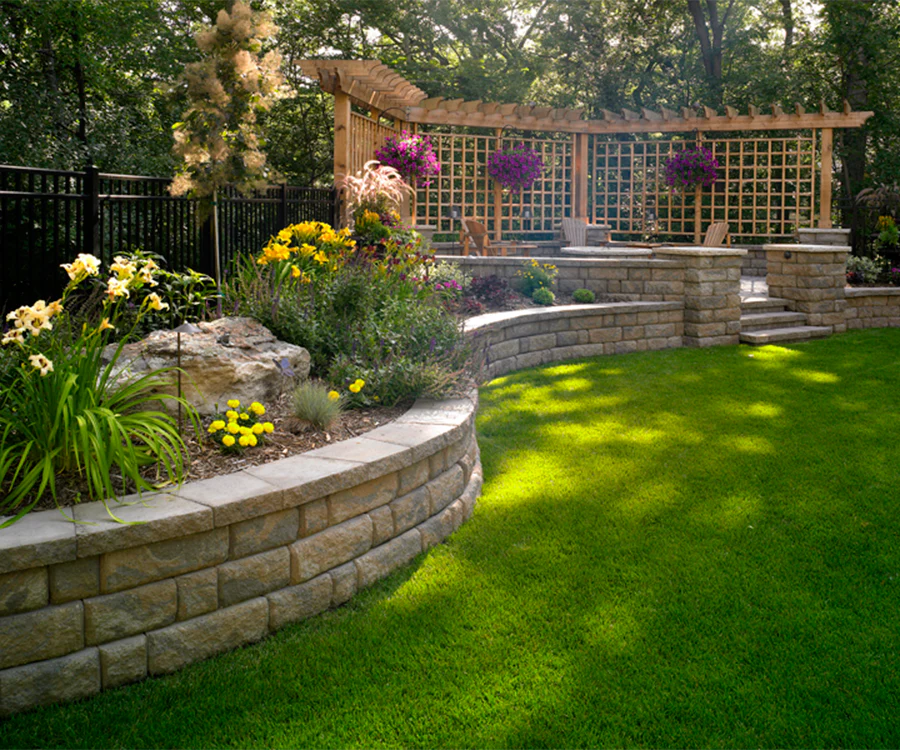
For example, a low retaining wall might double as informal seating, while a taller boundary wall could incorporate built-in planting recesses. Thinking about these combinations at the design stage, rather than adding them later, generally produces a more integrated and functional result.
Maintenance Considerations for Garden Walls
Even durable materials like brick require some ongoing attention to stay in good condition. Regular checks for cracking, particularly after periods of heavy rain or frost, can catch minor issues before they become significant structural problems. Repointing may be needed over time as mortar naturally weathers, and any planting growing close to the wall should be monitored to ensure roots are not affecting the foundation.
For rendered or painted finishes, periodic cleaning and repainting will keep the wall looking fresh, while natural stone and gabion walls generally require less frequent maintenance beyond occasional checks for settlement or shifting.
Final Thoughts
A well-designed garden wall adds structure, privacy and lasting value to any outdoor space. From traditional brick garden wall designs to more contemporary alternatives, the right choice depends on the style of the property, the practical needs of the household and the specific conditions of the site.
If you are considering a new garden wall or want advice on boundary options suited to your West Sussex property, TH Fencing & Landscaping can help with design and construction that fits seamlessly into your wider garden plans. Visit TH Fencing & Landscaping to discuss your project and explore the options available for your garden. Book a Quote today and take the first step towards creating a beautiful and functional outdoor space.