A garden is one of the most valuable spaces around any home, yet it is often the last area to receive proper planning. Many homeowners in West Sussex jump straight into buying plants or building features without first thinking through the layout, purpose and long-term upkeep of the space. Good garden design starts long before a single spade touches the soil. It begins with understanding your plot, your lifestyle and the climate conditions specific to this part of the country.
This guide walks through everything you need to know about garden planning and design, from assessing your outdoor space to choosing materials that suit the West Sussex environment. Whether you are working with a small courtyard or a large rear garden, these steps will help you avoid common mistakes and create a space that works for years to come.
Why Garden Planning Matters Before You Start
It is tempting to think of planning a garden as an optional extra, something you can figure out as you go. In practice, gardens that are not properly planned tend to end up disjointed, with mismatched features, awkward traffic flow and areas that never quite get used the way they were intended.
Taking the time to plan properly offers several advantages:
- It helps avoid costly changes later on, such as repositioning paths or replacing plants that were never suited to the soil.
- It ensures the garden reflects how your household actually uses outdoor space, whether that is entertaining, growing vegetables or simply relaxing.
- It allows you to budget realistically, since a clear plan makes it easier to phase work over several seasons if needed.
- It reduces long-term maintenance by matching plant choices and hard landscaping to the conditions of the site.
Anyone looking at how to design a garden should treat planning as the foundation of the project, not an afterthought.
Understanding Your West Sussex Garden
West Sussex has a varied landscape, ranging from coastal plots near Chichester and Bognor Regis to more rural, clay-heavy soil further inland around the South Downs. This variation matters a great deal when it comes to garden design west sussex projects, because soil type, drainage and exposure to wind and sun all influence what will thrive in a particular location.
Assess Your Soil
Before choosing plants or planning beds, it helps to understand what type of soil you are working with. Sandy soils near the coast drain quickly but can dry out in summer, while heavier clay soils inland retain moisture and may need improved drainage. A simple soil test, either using a home kit or by observing how quickly water absorbs after rain, gives a good starting point.
Consider Sun and Shade Patterns
Watch how sunlight moves across your garden throughout the day. South-facing gardens generally receive more direct sun, which suits a wider range of flowering plants, while north-facing plots may need shade-tolerant species. This observation should happen over a few days before finalising any planting plan.
Factor in Wind Exposure
Coastal areas of West Sussex can experience stronger winds, which affects both plant selection and the placement of structures such as fencing or pergolas. Windbreaks, whether planted or built, are often worth considering early in the design process rather than added as an afterthought.
Steps to Design a Garden From Scratch
If you are starting with a blank space, breaking the process into stages makes it far more manageable. The following steps outline a practical approach to create your own garden design.
Step 1: Define the Purpose of the Space
Before sketching anything, think about how the garden will actually be used. A family with young children will have different needs to a couple who enjoys hosting outdoor dinners. Common purposes include:
- A space for entertaining and dining outdoors
- A play area for children
- A productive kitchen garden for growing vegetables
- A low-maintenance space that requires minimal upkeep
- A private retreat with minimal visibility from neighbouring properties
Step 2: Measure and Map the Plot
Accurate measurements are essential for planning a garden layout that actually fits the available space. This includes noting the position of existing structures, drains, manholes, trees and boundary lines. A scaled sketch, even a simple one drawn by hand, helps visualise how different zones will fit together.
Step 3: Divide the Garden Into Zones
Most successful gardens are divided into distinct areas rather than treated as one open space. This might include a seating area near the house, a lawn for open play, planted borders and perhaps a utility zone for storage or composting. Zoning helps the garden feel organised and gives each area a clear function.
Step 4: Choose Hard Landscaping Materials
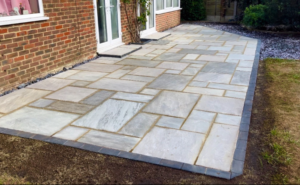
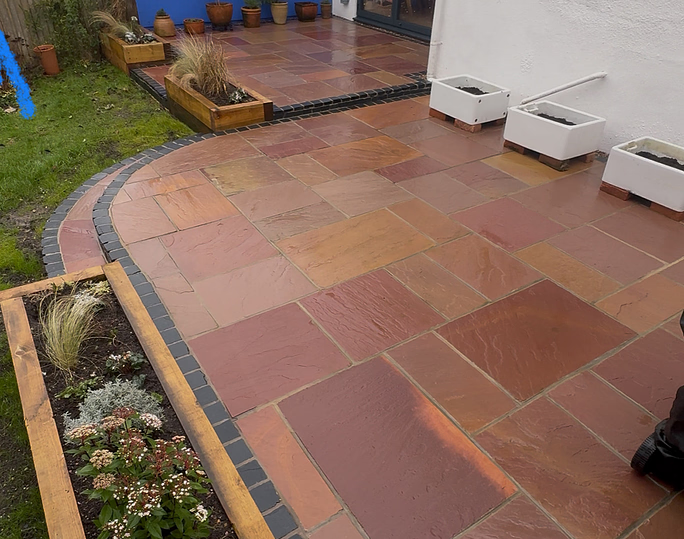
Paths, patios, fencing and boundary treatments form the structure of the garden and should be chosen early, since planting is usually designed around them. Materials should suit both the style of the house and the practical demands of the West Sussex climate, particularly in terms of drainage and durability.
Step 5: Select Plants Suited to the Site
Once the layout and hard landscaping are decided, plant selection can follow. Choosing species suited to the soil type, sun exposure and maintenance level you are prepared to commit to will save considerable effort later. Native and locally adapted plants tend to perform more reliably than those chosen purely for appearance.
How to Redesign Your Garden if You Already Have One
Not every project starts from scratch. Many homeowners are looking at how to redesign your garden because the existing layout no longer suits their needs, perhaps due to a growing family, a change in how the space is used, or simply because the original design has become tired or overgrown.
When redesigning an established garden, it is worth keeping a few principles in mind:
- Identify what already works well and retain it, rather than removing everything and starting again.
- Assess mature trees and shrubs before removal, as they can often be incorporated into a new design and add value that takes years to replace.
- Update hard landscaping features that have become worn or no longer suit the property, such as broken paving or dated fencing.
- Reconsider boundary treatments, particularly if privacy or security has become more of a priority since the garden was first laid out.
A redesign does not have to mean starting over completely. Often, the most effective approach blends existing structure with updated features and planting.
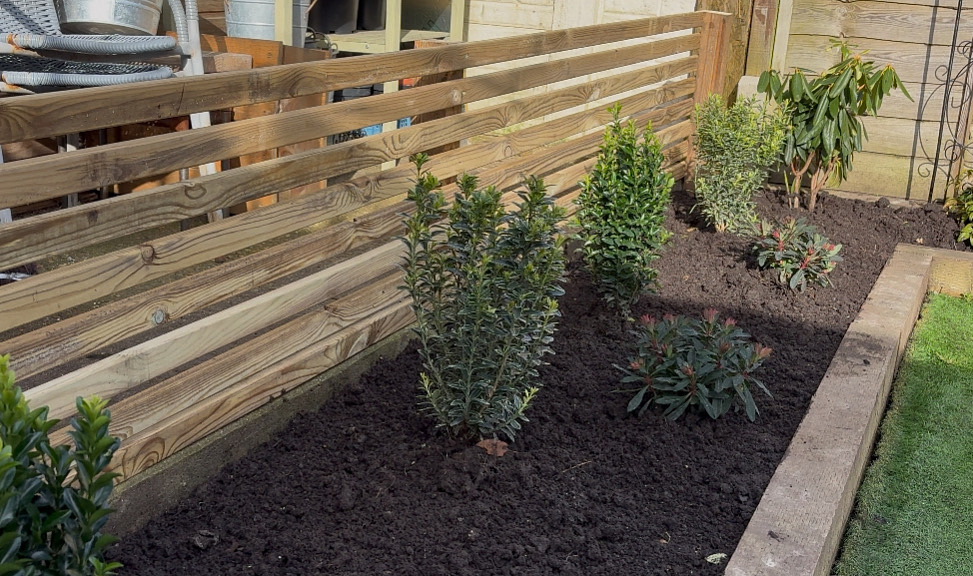
Good Garden Design Principles to Follow
Regardless of the size or style of the plot, certain principles apply consistently to good garden design. These fundamentals help create a space that feels balanced and functional rather than cluttered or disjointed.
| Principle | What It Means | Why It Matters |
|---|---|---|
| Proportion | Features and planting scaled appropriately to the size of the garden | Prevents the space from feeling either empty or overcrowded |
| Unity | Consistent use of materials, colours and styles throughout | Creates a cohesive look rather than a collection of unrelated features |
| Flow | Clear pathways and sightlines between zones | Makes the garden easy to move through and use |
| Balance | Even distribution of visual weight across the space | Avoids the garden feeling lopsided or heavily weighted to one side |
| Focal Points | A feature that draws the eye, such as a tree, sculpture or seating area | Gives the garden a sense of purpose and destination |
| Practicality | Design that suits maintenance capacity and lifestyle | Ensures the garden remains enjoyable rather than becoming a burden |
Applying these principles consistently is often what separates a garden that feels considered from one that feels accidental.
Low Maintenance Considerations for Busy Households
Not every household has the time or inclination for extensive upkeep, and this is an important factor in gardening design decisions. A garden can still be attractive and functional while requiring relatively little ongoing work, provided the right choices are made from the outset.
Some approaches that reduce maintenance include:
- Choosing perennial plants over annuals, since perennials return each year without needing replanting
- Using groundcover planting to reduce weeding and suppress unwanted growth
- Installing permeable hard landscaping that drains well and requires less cleaning
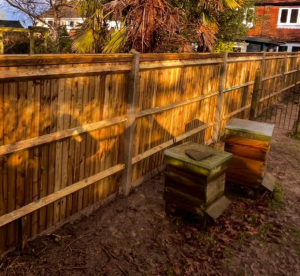
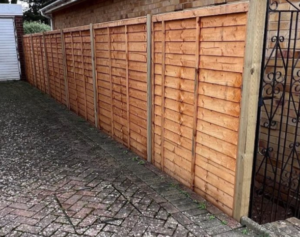
- Selecting fencing and boundary materials that are durable and weather resistant, reducing the need for frequent repairs or repainting
- Grouping plants with similar watering needs together, which simplifies irrigation
Working with a fencing and landscaping company during the planning stage can help identify which materials and layouts will genuinely reduce long-term maintenance, rather than simply looking low maintenance on paper.
When to Bring in a Professional Garden Designer
While many homeowners are capable of planning simpler gardens themselves, larger or more complex projects often benefit from professional input. A garden designer west sussex homeowners choose to work with can bring local knowledge of soil conditions, planning regulations and suitable plant varieties that might not be obvious from general research alone.
Professional input is particularly useful when:
- The garden includes significant level changes or drainage challenges
- Boundary work involves retaining walls, fencing or structural landscaping
- The project needs to be phased over multiple stages or seasons
- Planning permission or building regulations may apply, for example with larger structures
- You want a cohesive design that ties together hard landscaping, planting and any existing features
At TH Fencing & Landscaping, garden planning is approached with attention to both the practical and visual aspects of a project, ensuring that fencing, boundaries and planted areas work together as a complete design rather than separate, disconnected elements.
Common Mistakes to Avoid When Planning a Garden
Even with good intentions, certain mistakes come up repeatedly in garden projects. Being aware of these in advance can save time, money and frustration.
- Starting with plants before finalising the layout, which often results in awkward positioning later
- Ignoring drainage until problems appear after heavy rain
- Underestimating how much space paths and seating areas actually require
- Choosing fencing or boundary materials without considering long-term durability
- Overlooking how the garden will look and function across different seasons, not just in summer
Taking a methodical approach to how to design garden spaces, rather than making decisions in isolation, helps avoid these pitfalls from the outset.
Bringing the Design Together
Once the layout, materials and planting choices have been decided, the final stage involves sequencing the actual work. This usually starts with any groundworks and boundary features, such as fencing, walls or retaining structures, followed by paths and patios, and finishing with planting. Working in this order reduces the risk of damage to finished areas during construction.
For homeowners across West Sussex, getting this sequence right, along with sound garden planning and design from the start, makes a noticeable difference to both the finished result and how smoothly the project runs.
Final Thoughts
Careful garden design planning makes the difference between a space that feels thrown together and one that genuinely suits how you live. From assessing soil and sun exposure to choosing durable materials and dividing the garden into functional zones, each step contributes to a result that will hold up over time.
If you are ready to start planning your garden or want advice on fencing, boundaries, or landscaping that suits your West Sussex property, TH Fencing & Landscaping can help guide the process from initial ideas through to completion. Visit TH Fencing & Landscaping to discuss your project and take the first step towards a garden that works for your home. Contact us today to arrange a consultation and get started on transforming your outdoor space.