Choosing the right landscaping services can make the difference between a garden that feels open and exposed and one that feels like a private, usable retreat. Whether you are dealing with overlooked windows, a busy road at the front of the property, or simply want a more enclosed feel to your outdoor space, there are several landscaping solutions worth considering before any digging begins.
This guide looks at the most effective garden privacy ideas available to homeowners today, how they compare, and what to expect when working with a landscape design company on a private garden project.
Why Privacy Matters in Garden Design
A garden is often treated as an extension of the home, yet many outdoor spaces are designed without much thought for privacy. Overlooked patios, front gardens visible from the pavement, and boundaries shared with neighbouring properties can all make a space feel less comfortable to use. Good garden design addresses privacy early, so that planting, fencing, and structural features work together rather than being added as an afterthought.
Common Privacy Challenges in Small and Front Gardens
Smaller plots and front gardens tend to present the most obvious privacy problems. Front gardens are usually visible from the street and neighbouring driveways, while smaller rear gardens often back directly onto other properties with little natural separation. In both cases, the challenge is finding a solution that creates enclosure without making the space feel smaller or cutting off too much natural light.
Best Garden Privacy Ideas for Modern Outdoor Spaces
There is no single correct approach to garden privacy. The right solution depends on the size of the plot, the budget, and how quickly privacy is needed.
Privacy Screens and Living Boundaries
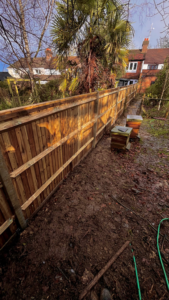
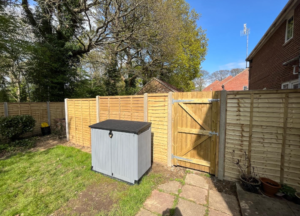
A privacy screen garden idea can range from a simple timber panel to a more decorative slatted screen designed to complement the rest of the garden. Screens are a practical option where a boundary needs privacy without the bulk of a full wall, and they can be positioned to block a specific sightline rather than enclosing the entire garden.
Living boundaries, such as hedging or trained climbing plants, offer a softer alternative. These take longer to establish but tend to blend more naturally into the overall garden design, particularly in cottage-style or informal gardens.
Front Garden Privacy Ideas
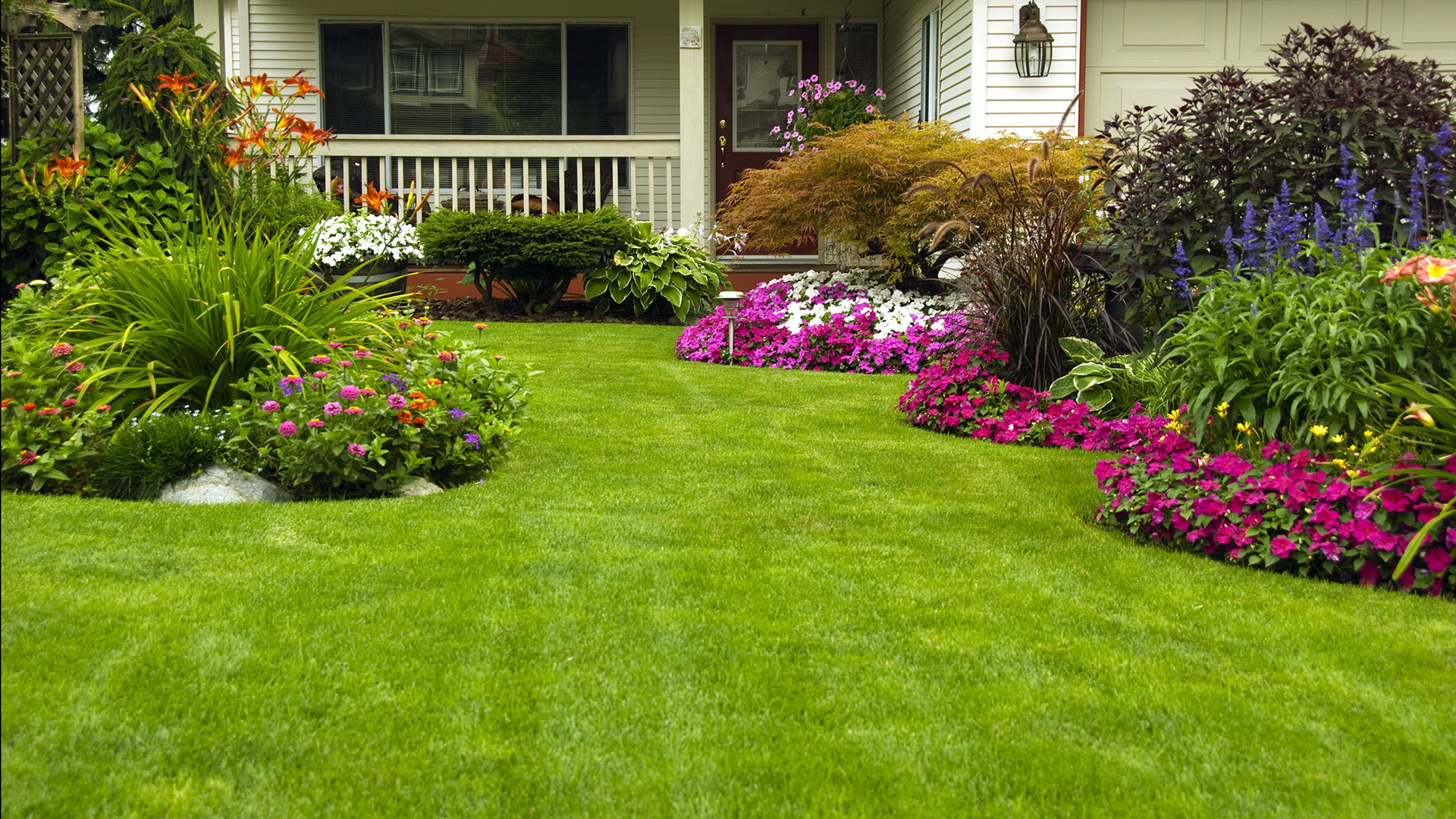
Front garden privacy ideas need to balance security, kerb appeal, and practicality, since this part of the property is usually the most visible from the road. Low-level planting combined with a partial screen or decorative fencing can create separation without blocking the house from view entirely. For homes closer to the road, taller screening near windows or seating areas tends to be more effective than a single uniform boundary around the whole plot.
Privacy Ideas for Gardens with Hot Tubs and Outdoor Seating
Hot tubs, outdoor seating areas, and dining spaces tend to attract more attention from neighbouring properties than the rest of the garden, simply because they are used for longer periods and often in the evenings. These features usually benefit from a more concentrated privacy solution rather than a boundary treatment applied to the whole plot.
Tall, narrow screening placed directly behind or beside the seating area is often more effective than extending fencing along an entire border, since it targets the specific angle being overlooked. Pergolas with slatted roofing or climbing plants can add privacy from above as well as from the side, which is particularly useful for hot tubs that are visible from upstairs windows nearby.
Lighting also plays a role here, as softer, low-level lighting around a screened seating area reduces visibility after dark without needing additional structural screening. When planned early, these targeted features can be built into the wider garden design so they blend in naturally rather than looking like an added afterthought.
Screening Ideas for Awkward or Overlooked Areas
Not every part of a garden needs the same level of privacy. Screening ideas for the garden often work best when applied selectively, such as around a patio, hot tub, or seating area that is directly overlooked, rather than along an entire boundary. This targeted approach is usually more cost effective and avoids making the whole garden feel enclosed.

At TH Fencing & Landscaping, we often find that combining selective screening with well-planned boundary features creates a more balanced and functional outdoor space. For a closer look at how boundary structures are being designed this year, modern garden fencing ideas showcase several styles that work well alongside the privacy solutions discussed here.
Balancing Privacy with Natural Light
One of the most common concerns homeowners raise when adding privacy features is losing natural light in the process. A garden that feels private but dark often ends up being used less than one that stays open and bright. The key is choosing solutions that block direct sightlines without creating a solid wall of shade across the whole space.
Slatted screens and open trellis panels tend to work well here, since they allow light and air to pass through while still breaking up the view from neighbouring windows or pathways. Positioning is just as important as the material itself; a screen placed at an angle, rather than running the full length of a boundary, can block a specific sightline while leaving the rest of the garden open to sunlight throughout the day.
For gardens that rely on hedging, choosing a lighter, more feathery variety near seating areas can soften the enclosed feeling compared to a dense, solid hedge. Thinking about the sun’s path across the garden before finalising any screening plan helps avoid a space that feels private but underused.
Comparing Garden Privacy Solutions
| Privacy Solution | Best For | Time to Establish | Maintenance Level |
|---|---|---|---|
| Timber privacy screen | Patios, seating areas, and quick privacy results | Immediate | Low to moderate |
| Slatted or decorative screening | Modern gardens and partial boundaries | Immediate | Low |
| Hedging | Full boundary privacy and a natural look | One to several years | Moderate to high |
| Trellis with climbing plants | Softening existing fences or walls | One to two seasons | Moderate |
| Garden walls | Permanent privacy and garden structure | Immediate once built | Low |
Once a screening approach has been chosen, many homeowners also look at how boundary walls can reinforce privacy while adding structure to the garden. Garden wall ideas can provide inspiration for creating a more defined outdoor space while offering a practical and long-lasting privacy solution.
Working with a Landscape Design Company
Larger privacy projects, particularly those involving structural changes such as walls, raised beds, or a full boundary redesign, usually benefit from working with a landscape design company rather than tackling each element separately. A coordinated design ensures that screening, planting, and any hard landscaping features work together, rather than being added piecemeal over several years.
What to Expect from a Garden Design Consultation in West Sussex
For homeowners considering garden design in West Sussex, an initial consultation typically involves a site visit to assess boundary lines, existing planting, sun exposure, and any specific privacy concerns. From there, a landscape designer can put together a plan that addresses both the practical requirements, such as screening a patio or front garden, and the overall look of the space. This stage is also where budget and timeline expectations are usually discussed, so that any phased work can be planned accordingly.
Choosing the Right Landscaping Services for Your Garden
Not every garden requires the same combination of solutions, and choosing landscaping services in West Sussex homeowners can rely on often comes down to a few practical questions:
- What is the main privacy concern? A single overlooked patio needs a different solution to a garden with no boundary screening at all.
- How quickly is privacy needed? Screens and fencing provide immediate results, while hedging and planting take longer to mature.
- What is the long term maintenance plan? Living boundaries require ongoing care, while structural solutions such as screens or walls generally need less upkeep.
- Does the solution fit the rest of the garden design? Privacy features work best when they are planned alongside the wider layout, rather than added separately.
Working through these questions before starting any work helps avoid a garden that feels disjointed, with privacy features that do not match the rest of the space.
Conclusion
The best landscaping solutions for a private garden depend on the specific challenges of the space, whether that is an overlooked patio, an exposed front garden, or a boundary that offers little separation from neighbouring properties. From screens and hedging to garden walls and full design projects, there are options suited to almost every budget and timeline.
TH Fencing & Landscaping works with homeowners across West Sussex to design and build garden privacy solutions that fit both the practical needs and the overall style of the property. Contact us today to discuss your garden.