Your garden is one of the most valuable parts of your home. It is the space where you unwind after a long day, where children play, and where you host friends and family on warm evenings. But gardens do not stay beautiful on their own. Over time, they can become overgrown, impractical, or simply no longer suit the way you live. If you have been walking past yours and feeling quietly uninspired, it might be worth asking yourself a straightforward question: is it time for a change?
This guide will help you identify the signs that your outdoor space needs attention, and explain what a proper garden renovation actually involves.
Why Gardens Stop Working for You
Gardens are living spaces, and like any space in your home, they need to evolve. What worked five or ten years ago may no longer reflect how your household uses the garden today. A family with young children needs different things from their outdoor space than a couple looking for a peaceful area to entertain guests. As your circumstances change, your garden should keep pace.
This is where thoughtful gardening design makes a real difference. Rather than making piecemeal changes year after year, a considered redesign looks at the space as a whole, addresses underlying problems, and creates something that genuinely functions well for your lifestyle.
Signs It Is Time to Redesign Your Garden
1. The Layout Feels Wrong
If your garden feels difficult to move around or has poorly used space, it may need a better layout. This is one of the main reasons homeowners search for landscape designers to improve functionality and flow.
Common layout problems that signal a redesign is needed include:
- Paths that lead nowhere useful or feel too narrow to walk comfortably
- Lawn shapes that are difficult to mow efficiently
- No clear separation between planting areas, seating zones, and utility space
- Hard-to-access corners that become neglected over time
- A lack of connection between the house and the outdoor living spaces beyond
A well-planned redesign takes your daily movement patterns into account, creating clear paths, logical zones, and a layout that feels natural and comfortable to use.
2. Your Garden Is Largely Unused
A garden that sits empty is a wasted asset. If your outdoor space is rarely used because it lacks somewhere comfortable to sit, offers no privacy, or simply does not feel welcoming, that is a clear signal it needs rethinking.
Ask yourself the following questions:
- Do you actually spend time in your garden, or do you just look at it through the window
- Is there a comfortable, practical seating area with access to shade or shelter
- Does the garden feel private enough to relax in
- Is there adequate lighting to use the space in the evenings
Many homeowners in West Sussex find that once they invest in proper landscaping services, including a well-positioned patio, boundary planting, and practical storage, their garden becomes one of the most-used parts of the home. Patio installation and paver patio installation near me can transform a plain or underused back garden into a true outdoor room.
3. Drainage and Ground Conditions Are Poor
Persistent waterlogging, boggy patches, or areas where nothing seems to grow are not just cosmetic problems. They are signs of underlying drainage or soil issues that will only get worse over time if left unaddressed.
Signs of poor drainage and ground conditions include:
- Puddles that remain on the lawn or patio for days after rain
- Moss spreading aggressively across the lawn
- Compacted soil that causes surface water to run off rather than soak in
- Areas where plants consistently fail to establish or thrive
- A lawn that feels spongy or waterlogged underfoot in wet weather
A reputable landscape construction company or landscape contractors near me will assess ground conditions as part of any serious renovation. They will ensure water drains correctly and that the soil is properly prepared for new planting and hard landscaping.
4. Fencing and Boundaries Are Tired or Failing
Old, sagging, or broken fencing is both an eyesore and a security concern. If your existing fence panels are rotting, leaning, or incomplete, it is worth factoring boundary work into your garden renovation from the outset.
Boundary issues that are worth addressing include:
- Fence panels that are cracked, warped, or have begun to rot at the base
- Posts that are leaning or no longer set securely in the ground
- Gaps in boundary fencing that compromise security or privacy
- Gates that no longer close or latch properly
- Inconsistent boundary materials that look untidy
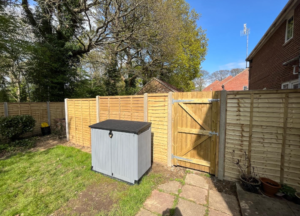
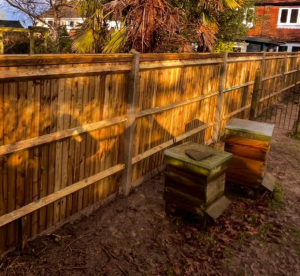
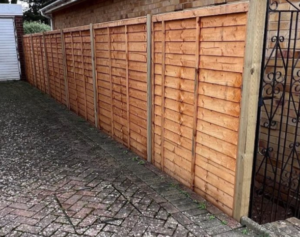
Working with a fencing company in West Sussex or an experienced fencing contractor in West Sussex ensures secure, durable boundaries. Whether you need repairs, replacement panels, or a new fence, professional installation can enhance privacy, safety, and the overall appearance of your garden.
5. The Garden No Longer Suits Your Lifestyle
Perhaps you designed the garden a decade ago for a very different set of circumstances. You may have had children since then, downsized, retired, or simply changed how you want to spend your time outdoors. A garden full of high-maintenance borders and fussy planting can quickly start to feel like a burden rather than a pleasure.
Lifestyle changes that often prompt a redesign include:
- Children growing up, meaning the lawn no longer needs to be kept clear for play
- Retirement, when there is more time to enjoy the garden but less appetite for heavy physical maintenance
- Downsizing to a property with a smaller plot that needs a smarter use of space
- A new interest in outdoor entertaining, requiring better seating, lighting, and surfaces
- A desire to reduce water use and maintenance through better plant choices and mulching
Garden makeover ideas do not have to be dramatic. Sometimes a redesign is about simplifying, reducing ongoing maintenance, and creating something that fits your life as it is now.
6. You Are Struggling to Maintain It
If keeping on top of your garden feels like a constant battle, the design itself may be the problem rather than a lack of effort on your part.
Common maintenance problems caused by poor design include:
- Oversized lawns that take too long to cut and edge
- Planting schemes that require regular pruning, staking, and dividing
- Hard surfaces laid on insufficient sub-bases that shift, crack, or become weedy
- Borders without proper edging that require constant tidying
- Plants placed in the wrong soil type or aspect, leading to poor growth and disease
A redesign that incorporates the right plants for your soil and local conditions, practical hard landscaping, and a logical structure will significantly reduce the time and effort required to keep the garden looking well.
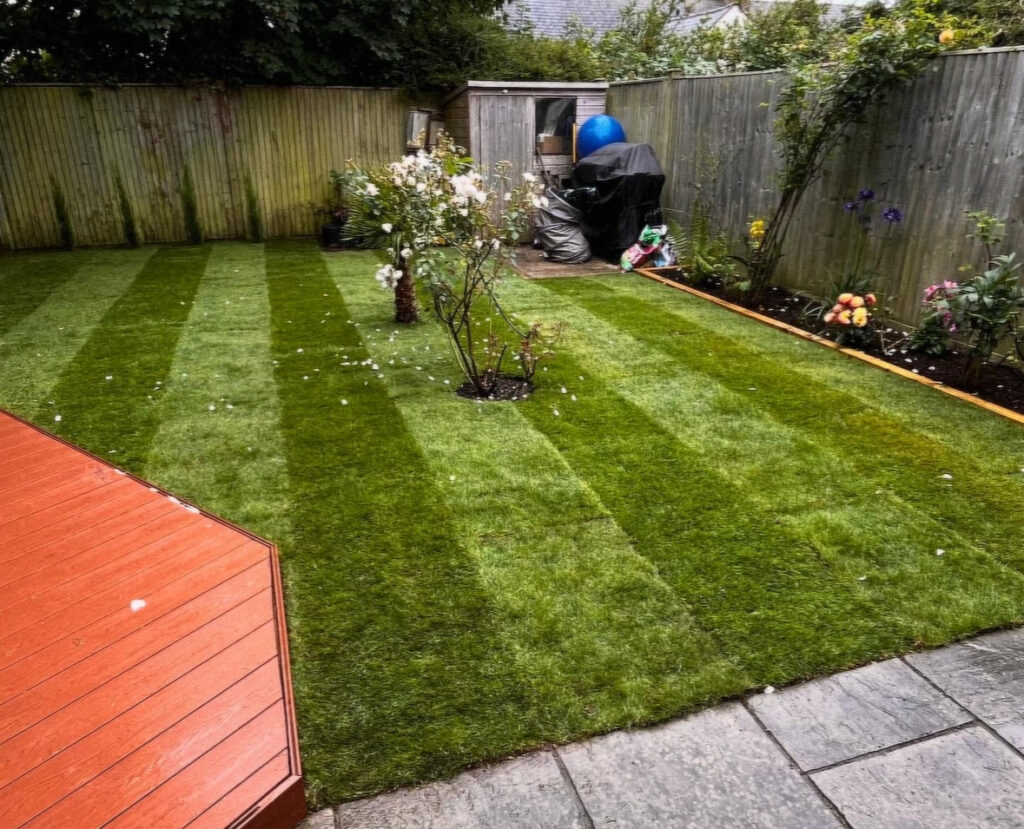
What a Garden Redesign Typically Involves
A full garden renovation is more involved than many homeowners expect. Understanding the typical stages helps you plan realistically and ask the right questions when approaching landscapers in west Sussex or landscapers in west Sussex for quotes.
The key stages of a garden redesign are as follows:
- Initial site assessment – A thorough survey of the existing garden, including drainage, soil type, aspect, and how the space is currently used.
- Client brief and design consultation – A conversation about how you want to use the garden, your preferred styles, materials, budget, and timescale.
- Design development – Preparation of a layout plan covering hard and soft landscaping elements, planting zones, and key features.
- Material and plant selection – Choosing appropriate paving, edging, boundary materials, and plants suited to your garden’s conditions.
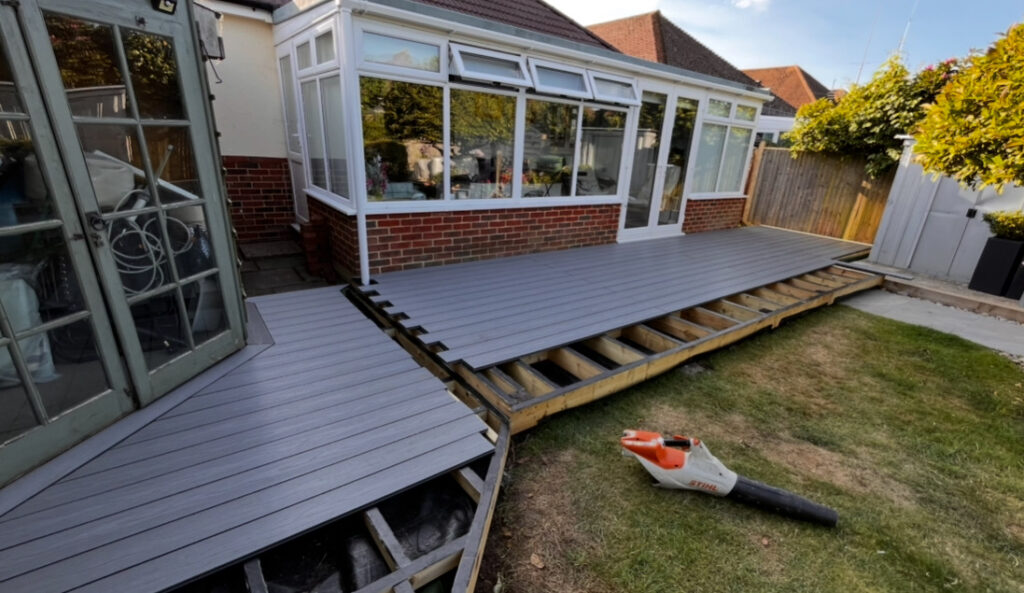
- Hard landscaping construction – Installation of patios, paths, steps, raised beds, walls, and fencing by a qualified fencing and landscaping company.
- Soft landscaping – Soil preparation, planting, lawn laying or seeding, and mulching.
- Final finishing – Lighting installation, edging, tidying, and a handover with aftercare guidance.
| Stage | What It Involves |
|---|---|
| Initial assessment | Site survey, soil testing, drainage check, usage discussion |
| Design | Layout planning, material and plant selection |
| Hard landscaping | Patio installation, paths, walls, fencing services |
| Soft landscaping | Planting, lawn laying, ground preparation |
| Finishing | Lighting, edging, handover and aftercare guidance |
Working with an experienced landscape design company means all of these elements are considered together, producing a more coherent result and avoiding unnecessary cost.
Conclusion
If your garden no longer suits your lifestyle, has drainage issues, outdated features, or an impractical layout, it may be time for a redesign. A well-planned garden renovation can improve functionality, appearance, and ease of maintenance, helping you make the most of your outdoor space for years to come.
Ready to transform your garden? Contact us today to discuss your ideas and find out how our professional landscaping services can bring your vision to life.