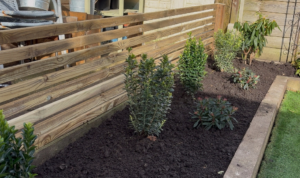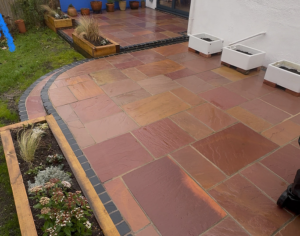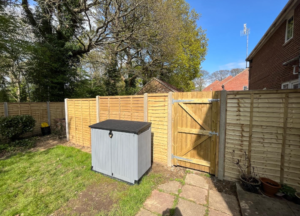
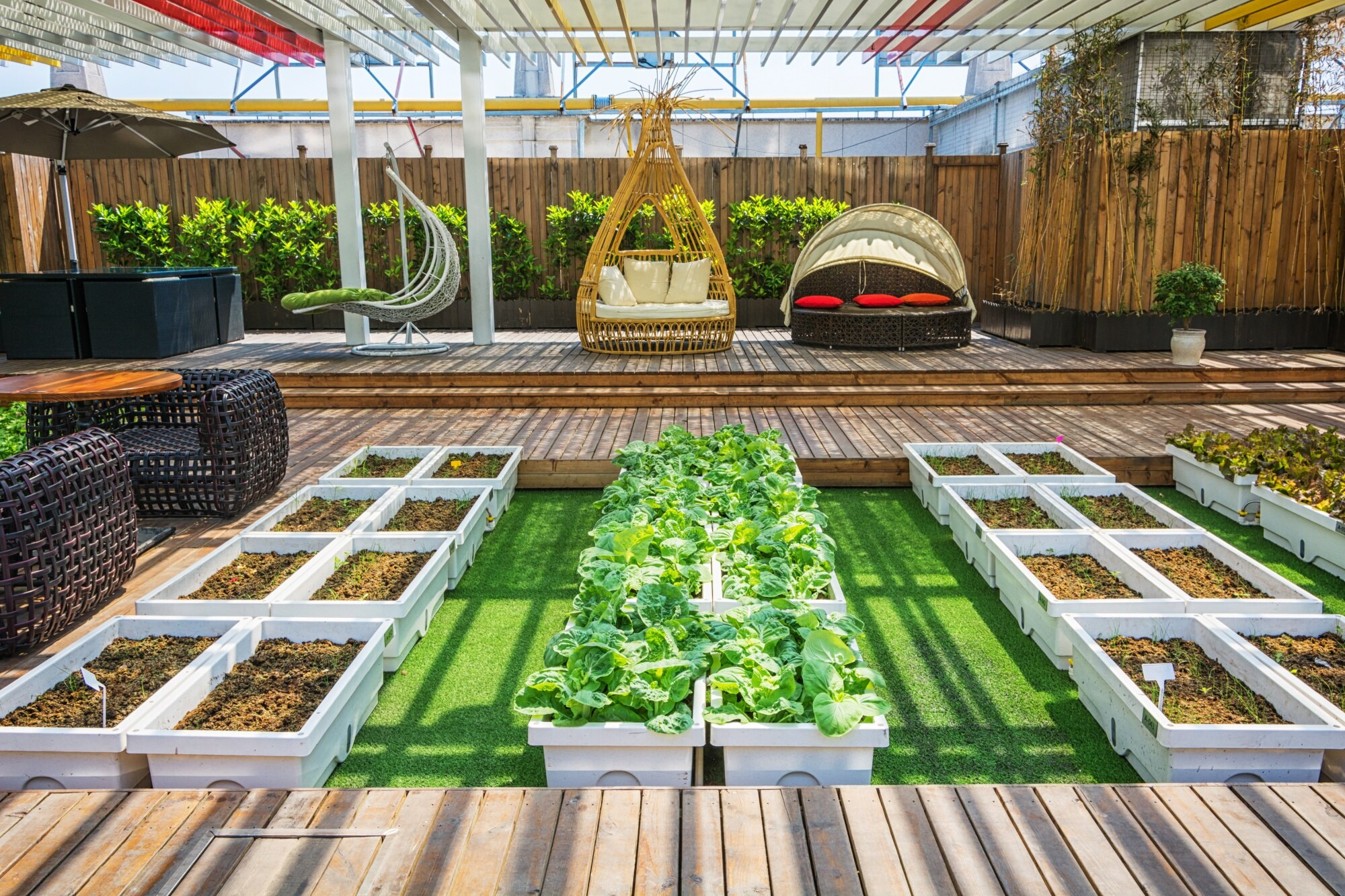
A well thought out garden does not happen by chance. It starts with a plan, a clear idea of how the space will be used, and a realistic understanding of the site. Whether you are working with a small courtyard or a sprawling rear garden, good garden design plans give you a roadmap to follow, so you are not making expensive decisions on the fly. At TH Fencing & Landscaping, we speak with homeowners every week who are full of ideas for a backyard garden but are not sure where to begin, or how to bring their garden arrangement ideas together into something that actually works on paper and in practice.
This guide walks through the process step by step, from measuring your plot to choosing plants, so you can put together a garden design plan with confidence.
Why a Garden Design Plan Matters
It is tempting to skip the planning stage and go straight to buying plants or ordering paving, but this usually leads to a garden that feels disjointed. A proper plan helps you:
- Work out how much space you actually have to play with
- Avoid awkward gaps or overcrowded borders
- Budget more accurately, since you know what materials and plants you need
- Sequence the work so that hard landscaping is done before planting
- Create a garden that suits how your household actually lives outdoors
Even a garden simple design benefits from this approach. A plan does not need to be complicated or drawn by a professional to be useful. It just needs to reflect your space honestly.
Step 1: Measure and Assess Your Garden
Before any garden layout ideas can take shape, you need accurate measurements. Walk the boundary of your garden and note down:
- The overall length and width
- Any slopes, uneven ground, or drainage issues
- Existing trees, shrubs, or structures worth keeping
- Sun and shade patterns through the day
- Access points, such as gates or side passages
This information becomes the foundation for every decision that follows. A garden that faces north will suit different planting than one that gets full sun most of the day, and a sloped plot may need terracing or retaining structures before anything else can go in.
Step 2: Define How You Will Use the Space
Backyard garden ideas tend to work best when they are built around real habits rather than aspiration alone. Ask yourself honestly how the garden will be used. Some common priorities include:
- A dining or seating area for entertaining
- A play space for children or pets
- Space for growing vegetables or herbs
- A quiet corner for reading or relaxing
- Low maintenance planting for busy households
Most gardens end up combining two or three of these purposes. Zoning the space early, even roughly, prevents you from trying to fit too much into too small an area.
Step 3: Sketch Basic Garden Design Ideas
You do not need professional drawing skills to sketch out basic garden design ideas. Graph paper, or a simple app, is enough to get proportions roughly right. At this stage, focus on:
- Marking where paths, patios, and lawn areas will go
- Grouping planting beds by size and shape
- Leaving space for structures such as sheds, pergolas, or fencing
- Checking sightlines from the house, so key features are visible from indoors
This is also the point where many homeowners start thinking about boundaries and screening. If privacy or security is part of the plan, it is worth reading our earlier piece on 10 modern garden fencing ideas for 2026, which covers styles that pair well with a range of planting schemes.
Step 4: Choose an Easy Garden Design Approach That Suits Your Skill Level
Not every homeowner wants a complex scheme, and that is perfectly reasonable. An easy garden design can still look considered if the layout is clean and the plant choices are limited to a handful of species repeated through the beds. Simpler schemes also tend to be easier to maintain, which matters if time is limited.
Some approaches that work well for beginners:
- Repeating a small palette of plants for a cohesive look
- Using straight lines and defined edges rather than complex curves
- Sticking to two or three hard landscaping materials
- Choosing perennial planting over annuals that need replacing each year
Step 5: Think About Structure Before Planting
Structure gives a garden its backbone through the year, particularly in winter when herbaceous planting has died back. Hedging, fencing, trees, and hard landscaping all contribute to this. A garden arrangement that only relies on flowering plants can look bare for much of the year, so it is worth building in some evergreen or structural elements from the start.
This is also a sensible stage to bring in a fencing and landscaping company if the project involves boundary work, retaining walls, or significant groundwork, since these elements need to be sequenced correctly with the rest of the build.
Step 6: Select Plants for Your Site and Style
Once the layout and structure are settled, planting can be chosen to suit the conditions you noted in Step 1. Consider:
- Soil type, whether clay, sandy, or loamy
- Sun exposure across the day
- Mature size, so plants have room to grow without overcrowding
- Seasonal interest, aiming for something flowering or attractive in each season
A simple design garden often works better long term than an overly ambitious one, since it is easier to maintain and less likely to need major revisions after a year or two.
Comparing Garden Design Approaches
The table below sets out a few common approaches to help you decide which suits your garden and lifestyle.
| Design Approach | Best For | Maintenance Level | Typical Features |
|---|---|---|---|
| Formal Layout | Structured, symmetrical spaces | Medium to High | Straight lines, clipped hedging, defined beds |
| Cottage Style | Relaxed, informal gardens | Medium | Mixed planting, curved borders, self-seeding plants |
| Low Maintenance | Busy households | Low | Evergreen shrubs, gravel, minimal lawn |
| Family Focused | Gardens used by children and pets | Medium | Durable lawn, defined play areas, robust planting |
| Courtyard or Small Space | Compact urban gardens | Low to Medium | Container planting, vertical features, paving |
When to Bring in Professional Garden Design Help
Some projects are straightforward enough to manage yourself, particularly if you are working with garden design plan ideas for a small or fairly simple space. Others, especially those involving level changes, drainage work, or significant boundary features, benefit from professional input.
A garden designer west sussex homeowners work with can help translate loose ideas into a workable plan, taking into account soil conditions, local planning considerations, and how the garden will look in every season. Working with an established garden design west sussex team also means the practical side of construction, from groundwork to fencing, can be handled alongside the design itself.

If your project includes fencing, planting, and general landscaping, it often makes sense to work with one team rather than several separate contractors. TH Fencing & Landscaping supports homeowners through every stage, from the first sketch of garden arrangements ideas to the finished garden, so the design and the build stay consistent with each other.
Common Mistakes to Avoid
- Skipping measurements and guessing proportions
- Choosing plants before finalising the layout
- Ignoring drainage or slope until construction begins
- Overplanting beds that will become crowded within a few years
- Underestimating how boundary treatments, such as fencing, affect the overall look
Avoiding these issues at the planning stage saves both time and money later on.
Bringing Your Plan to Life
Once your garden design plans are finalised, the next step is sequencing the actual work. Hard landscaping and structural elements, including fencing and retaining walls, generally go in first, followed by soil preparation and planting. Trying to plant before groundwork is finished usually means redoing work later, so it is worth being patient through this stage.
If you would like support turning your garden design plan into a finished space, TH Fencing & Landscaping can help with both the design and the practical build. Book a Quote to discuss your garden with our team.